
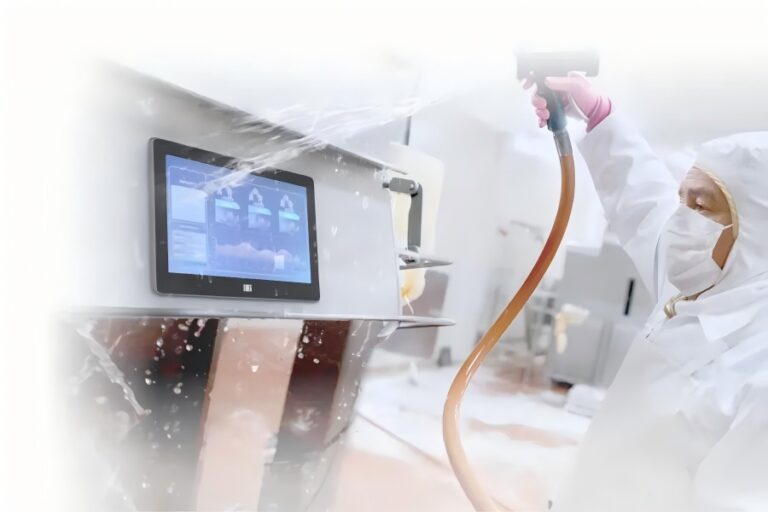
When an LCD screen suddenly shows unusual marks, cloudy areas, dark spots, or drelated failures.isplay problems, it is not always easy to determine what caused the issue. Similar symptoms can result from different problems, including moisture exposure, physical damage, or internal component failure.
Before replacing a display or attempting repairs, it is important to understand whether the screen is actually affected by water damage, whether the problem may be temporary, and what actions should be taken next.
This guide explains the common signs of LCD screen water damage, how to distinguish it from other display problems, possible repair options, and how to choose displays with better protection against moisture-related failures.
What Is LCD Screen Water Damage?
LCD screen water damage refers to display problems caused by liquid exposure or moisture affecting the LCD panel, display layers, or related electronic components.
The term does not always mean that water has entered the liquid crystal layer itself. In many cases, moisture may affect different parts of the display system, including:
- LCD panel layers;
- backlight components;
- touch sensor layers;
- connectors and control circuits.
Depending on the affected area, water-related damage can appear in different ways. Moisture trapped between display layers may create cloudy patches or uneven brightness, while moisture affecting electronic components may cause flickering, unstable operation, or complete display failure.
It is also important to distinguish LCD water damage من liquid crystal leakage.
Liquid crystal leakage is a specific type of physical panel damage that occurs when the LCD cell structure or sealing layer is damaged. However, many situations described by users as “water inside the screen” are actually caused by moisture affecting optical layers, backlight components, or electronic connections.
Therefore, when evaluating possible LCD water damage, the key questions are:
- What visible symptoms appear?
- Did the problem develop after possible moisture exposure?
- Is the damage temporary or permanent?
- Does the display need repair or replacement?
Understanding these differences helps avoid incorrect diagnosis and unnecessary replacement.
What Does LCD Water Damage Look Like?
LCD water damage can appear in different forms depending on which part of the display system is affected.
A common mistake is assuming that every dark mark, line, or abnormal display effect is caused by water. In reality, many screen problems look similar, and the surrounding situation is important for identifying the real cause.
The first step is to compare the visible symptoms with typical water-related patterns.
Cloudy or Foggy Patches
Cloudy areas are one of the most common signs associated with LCD water damage.
Users may describe these marks as:
- fog inside the screen;
- water stains;
- cloud-like shadows;
- uneven brightness areas.
These effects usually happen when moisture becomes trapped inside display layers, affecting how light passes through the screen.
However, cloudy patches do not automatically mean the liquid crystal has leaked. The affected area may involve other components, such as optical films or backlight layers.
Dark Spots or Black Areas
Dark spots are another common symptom after moisture exposure.
They may appear as:
- irregular black patches;
- dark shadows;
- areas that remain darker than the surrounding screen.
تشمل الأسباب المحتملة ما يلي:
- moisture affecting internal display layers;
- damage to the LCD panel structure;
- pressure damage combined with moisture exposure.
The timing of the problem is important.
على سبيل المثال:
| Situation | More Likely Explanation |
|---|---|
| Dark spots appear after possible liquid exposure | Water-related damage should be considered |
| Dark spots appear after the screen was pressed or bent | Physical pressure damage may be more likely |
| Dark areas appear after overheating | Heat-related damage may be involved |
Flickering, Lines, or Unstable Display
Water damage does not always create visible marks. Sometimes it affects the electronic connections inside the display system.
Common symptoms include:
- screen flickering;
- horizontal or vertical lines;
- unstable brightness;
- intermittent display problems.
These issues may occur when moisture affects:
- display connectors;
- flexible cables;
- driver circuits;
- control boards.
For touchscreen products, moisture may also affect touch-related components, causing delayed response or inaccurate input.
Touch Problems After Moisture Exposure
A touchscreen display contains additional layers compared with a standard LCD screen.
After moisture exposure, users may experience:
- slow touch response;
- random touches;
- dead touch areas;
- unstable interaction.
In some cases, the image display may still work normally while the touch function fails. This means the problem may not be the LCD panel itself but another layer within the touchscreen system.
How to Identify Whether It Is LCD Water Damage?
Since many display problems have similar symptoms, identifying water damage requires more than simply looking at the screen.
A practical approach is to check the following factors.
Step 1: Check When the Problem Started
The timing of the issue is one of the strongest indicators.
Water damage becomes more likely when the screen problem appears after:
- liquid exposure;
- cleaning with excessive moisture;
- use in a very humid environment;
- visible condensation.
If the screen problem appeared without any connection to moisture, other causes should be considered.
Step 2: Check the Pattern of the Damage
Water-related display problems often appear as:
- irregular cloudy areas;
- spreading stains;
- uneven brightness;
- multiple affected areas.
Other types of damage usually have different patterns.
على سبيل المثال:
- A single fixed dot is more likely a dead pixel.
- A dark mark after bending pressure may indicate physical damage.
- A previous image remaining on the screen may indicate image retention or burn-in.
Step 3: Compare Display Behavior
If possible, compare the screen output with another display method.
على سبيل المثال:
- Check whether the issue appears in screenshots.
- Connect the device to an external monitor if available.
If the external display works normally but the built-in screen does not, the problem is more likely related to the display hardware.
If the same abnormal image appears elsewhere, the cause may involve the graphics system, software, or signal source.
Step 4: Observe Whether the Problem Changes Over Time
Temporary moisture issues may change after the device is removed from the moisture source.
Permanent damage often shows:
- unchanged dark spots;
- persistent lines;
- continuous flickering;
- permanent loss of display function.
However, a changing symptom does not always mean the problem will recover. Continued electrical use while moisture remains inside can increase the risk of further damage.
Common Causes of LCD Water Damage
LCD water damage usually occurs when liquid or moisture reaches parts of the display system that are not designed to handle exposure.
The most common causes include:
Direct Liquid Exposure
This includes:
- accidental spills;
- rain exposure;
- liquid entering through openings;
- improper cleaning methods.
This is one of the most common causes for consumer devices such as laptops, monitors, and tablets.
Moisture Exposure
Long-term exposure to moisture can also affect LCD displays.
Common situations include:
- high humidity environments;
- condensation caused by temperature changes;
- outdoor installation without suitable protection.
Unlike direct spills, moisture-related problems may develop gradually and may not be immediately visible.
Insufficient Display Protection
For commercial displays, water-related failures are often related to whether the product design matches the installation environment.
Potential risks include:
- insufficient sealing;
- exposed connectors;
- unsuitable enclosure design;
- incorrect product selection for outdoor conditions.
This is why displays used in demanding environments require appropriate protection features before installation.
Can LCD Water Damage Be Fixed?
Whether an LCD screen affected by water damage can be repaired depends on the type and severity of the problem.
Not all moisture-related display issues have the same outcome. Some problems are caused by temporary moisture trapped inside the display system, while others involve permanent damage to the LCD panel or electronic components.
Before deciding whether to repair or replace the screen, it is important to determine whether the damage is temporary or permanent.
Temporary Moisture Issues
Temporary moisture-related problems may occur when water affects the display without permanently damaging the internal components.
Common signs include:
- cloudy areas that gradually change or become lighter;
- temporary display abnormalities after moisture exposure;
- screen functions that return to normal after the device is kept dry.
In these situations, removing the display from the moisture source and allowing sufficient drying time may help restore normal operation.
However, users should avoid repeatedly powering on, charging, or testing a wet device. If moisture remains inside the display, electrical components may become damaged during operation.
Temporary moisture issues are more likely when:
- the screen still displays images normally;
- there are no permanent dark spots or lines;
- touch and other functions gradually improve;
- the problem appeared shortly after moisture exposure.
Permanent LCD Damage
Some types of water damage cannot be solved through drying.
Permanent damage may occur when moisture affects:
- the LCD panel structure;
- backlight components;
- driver circuits;
- connectors;
- touch control components.
Typical signs include:
- dark spots that remain unchanged;
- permanent lines on the display;
- continuous flickering;
- loss of brightness;
- touch failure that does not improve;
- no display output.
In these situations, the affected component may need to be repaired or replaced.
For many consumer devices, replacing the entire display module is often more practical than repairing individual LCD layers because the panel, backlight, and touch components are integrated together.
How to Decide Between Repair and Replacement?
A simple evaluation process can help determine the next step:
| Situation | Recommended Action |
|---|---|
| Minor moisture exposure and the screen still works | Allow proper drying and monitor changes |
| Cloudy areas appear but gradually improve | Continue observation before replacement |
| Dark spots, lines, or flickering remain | Professional inspection may be needed |
| Display or touch function permanently fails | Consider component or screen replacement |
For commercial displays, the decision is usually based on more than repair cost.
A failed display in a retail store, restaurant, transportation area, or public installation can affect daily operations. In these cases, long-term reliability and protection level may be more important than repairing a display that has already experienced moisture-related failure.
How to Prevent LCD Water Damage?
Preventing LCD water damage is not only about keeping liquids away from the screen. For personal devices, simple precautions such as avoiding direct liquid exposure and using proper cleaning methods can reduce common risks.
However, for commercial displays, preventing water damage often starts before installation. The display should be selected based on the actual operating environment, because different applications expose screens to different levels of moisture risk.
A display used in an office, for example, usually operates in a controlled environment. In contrast, outdoor digital signage, kiosks, and industrial displays may face rain, humidity, dust, temperature changes, and continuous operation.
Choosing a display with suitable protection features can significantly reduce the risk of moisture-related failures.
Choose the Right Protection Level for the Application
The first step in preventing LCD water damage is selecting a display designed for the intended environment.
A standard indoor display may not be suitable for locations where the screen is exposed to:
- outdoor weather conditions;
- frequent cleaning;
- public interaction;
- industrial environments.
For outdoor applications where visibility and environmental adaptability are important, transflective LCD display solutions can be considered as one option for demanding display environments.
Before selecting a display, buyers should consider where the product will be installed and what environmental challenges it may experience.
على سبيل المثال:
| طلب | Main Moisture Risk | Recommended Consideration |
|---|---|---|
| Indoor office display | Occasional cleaning or accidental spills | Basic protection and proper maintenance |
| Restaurant digital menu board | Cleaning processes and food-related moisture | Durable enclosure and protected components |
| Outdoor digital signage | Rain, humidity, and weather exposure | Suitable IP rating and sealed structure |
| Industrial display | Dust, moisture, and continuous operation | Industrial-grade protection design |
Consider تصنيف IP for Commercial Displays
For commercial and outdoor applications, the IP (Ingress Protection) rating is an important reference for evaluating resistance against dust and water.
A suitable IP rating helps reduce the risk of moisture entering the display system.
| تصنيف IP | Protection Level | التطبيق النموذجي |
|---|---|---|
| IP54 | Protection against limited dust and water splashes | Indoor public areas and semi-protected environments |
| IP65 | Dust-tight and protected against water jets | Outdoor digital signage, kiosks, and commercial displays |
| IP66 | Dust-tight with stronger protection against water exposure | More demanding outdoor environments |
The right IP rating depends on the actual installation conditions.
A higher IP rating does not mean a display can operate in every environment without limitations. Proper enclosure design, installation, and maintenance are still important for long-term reliability.
Check Enclosure and Sealing Design
Water resistance depends on the complete display structure, not only the screen panel.
Important design factors include:
- sealed enclosure construction;
- protected cable entry points;
- covered connectors;
- durable external materials;
- appropriate ventilation design.
Poor sealing may allow moisture to enter through small openings over time, especially in outdoor environments where displays experience repeated weather changes.
For this reason, commercial display buyers should evaluate the overall protection design rather than only comparing screen size, resolution, or brightness.
Consider Operating Conditions Before Installation
The installation environment directly affects display reliability.
Before deployment, consider:
- indoor or outdoor installation;
- exposure to rain or water cleaning;
- operating temperature range;
- expected usage hours;
- maintenance accessibility.
A display designed for controlled indoor use may perform well in normal conditions but may experience premature failure if installed in an environment beyond its intended specifications.
Selecting the right display at the beginning can help reduce repair costs, downtime, and unexpected replacement.
الأسئلة الشائعة
Yes. If moisture damages the LCD panel, backlight system, connectors, or electronic components, the problem may become permanent. In these cases, drying alone may not restore normal operation, and repair or replacement may be required.
No. LCD water damage is a broader term describing display problems caused by liquid or moisture exposure. Liquid crystal leakage is only one specific type of LCD panel damage. Many cases involve moisture affecting optical layers, backlight components, or electronic connections instead.
Sometimes. If cloudy areas are caused by temporary moisture trapped inside the display structure, they may improve after proper drying. However, if the moisture has caused permanent damage to display layers or components, the marks may remain.
Water damage is usually related to liquid exposure and may cause cloudy areas, irregular marks, or display changes. Pressure damage is often caused by impact, bending, or screen pressure and usually appears in a specific area. However, some symptoms may overlap.
No. Waterproof or water-resistant LCD displays are designed to reduce moisture risks, but protection depends on factors such as IP rating, enclosure design, and installation conditions. Choosing a display suitable for the operating environment provides better long-term reliability.