Digital signage has rapidly transformed how businesses communicate, advertise, and deliver information across retail, hospitality, transportation, corporate spaces, and public services. From dynamic menus to real-time wayfinding and immersive promotions, digital displays offer unmatched flexibility and impact compared to traditional static media. As adoption continues to grow, companies are discovering new and creative ways to leverage screens for engagement, efficiency, and brand storytelling. In this article, we explore 10 effective real-world examples of digital signage that demonstrate its practical value across different industries. As a professional digital signage manufacturer, Ikinor brings you first-hand industry insights, helping you understand how modern display technologies can elevate your operations and customer experience.
Retail & Commercial Applications
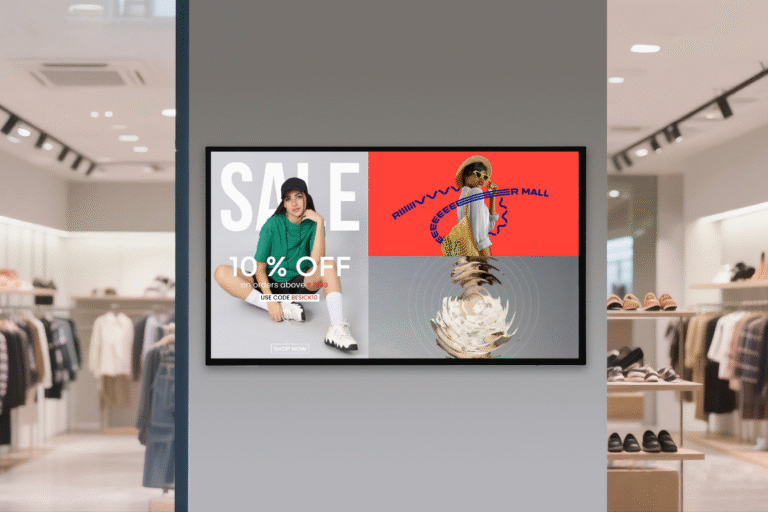
In retail and commercial spaces, digital signage has become a powerful tool to attract foot traffic, guide customers, and drive impulse purchases. In-store promotional displays allow brands to instantly update campaigns, showcase limited-time offers, and test different visuals without reprinting posters. Window-facing high-brightness screens help shops stand out in busy streets or shopping malls, ensuring content remains clear even under strong daylight. Shopping malls also benefit from interactive wayfinding directories that let visitors search stores, filter by category, and receive suggested routes. For boutiques and specialty stores, product showcase loops on sleek wall-mounted or floor-standing displays create a premium atmosphere while highlighting hero products, new arrivals, or seasonal collections.
Example 1:
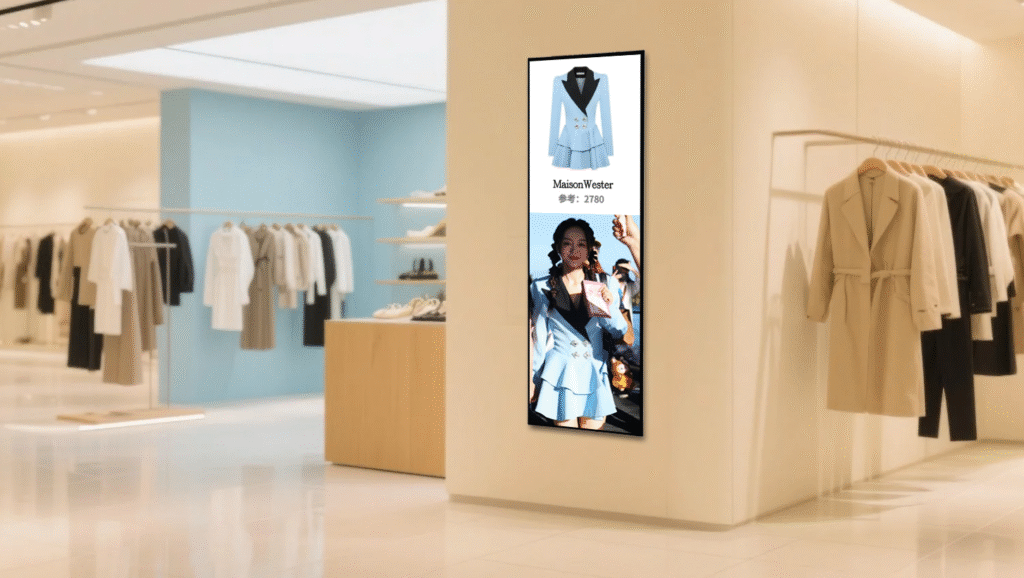
A fashion boutique in a large shopping mall uses a vertical 55-inch digital signage screen at the entrance to run loops of new arrival outfits, mix-and-match suggestions, and flash promotions. When the store launches a weekend sale, staff simply update the content via cloud CMS instead of printing banners, saving time and costs while keeping visuals fresh.
Example 2:
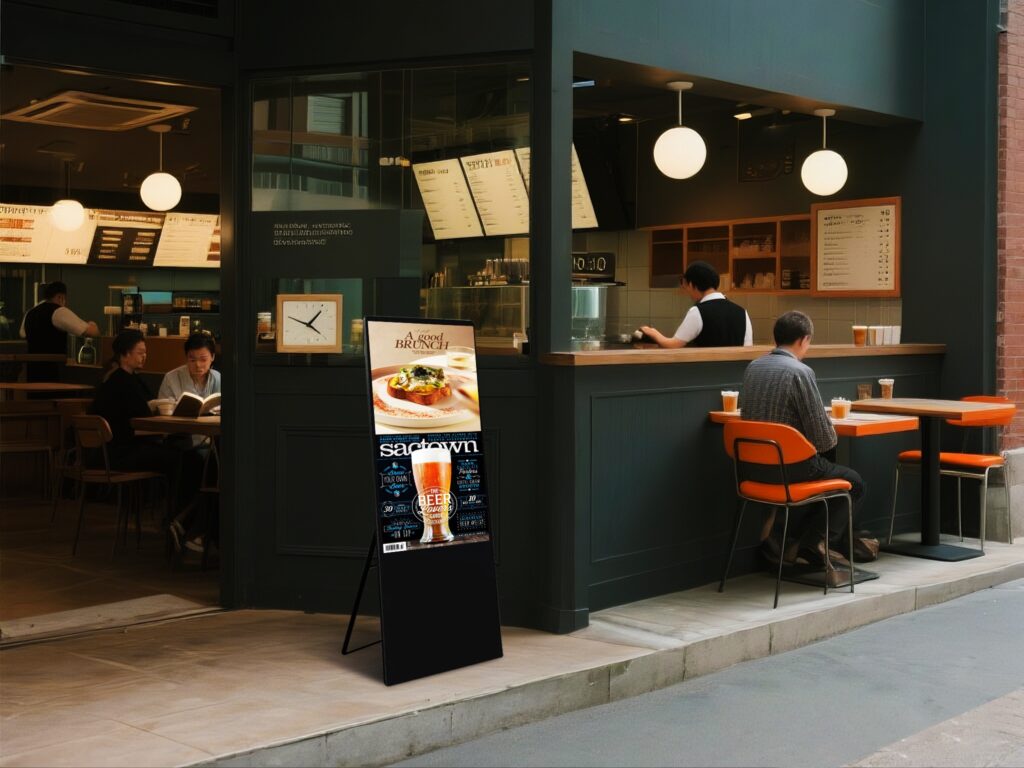
A specialty coffee shop located along a pedestrian shopping street replaces its traditional chalkboard with a 43-inch digital A-board positioned outside the entrance. The screen displays rotating content such as the daily drink specials, limited-time seasonal beverages, customer-favorite recommendations, and short looping videos of freshly brewed coffee. When the shop introduces a new menu item—like a summer iced latte—the staff update the visual instantly through the cloud CMS, eliminating the need to redesign or rewrite chalk signage.
The bright, motion-rich content attracts people walking by, especially during peak periods when foot traffic is high. Customers who normally glance quickly at storefronts now stop to view the animated menu or promotions. The shop reports increased walk-ins on rainy and cloudy days as well, since the high-brightness A-board remains clear in all weather conditions. By placing the portable digital A-board closer to the street edge, the café also expands its visibility, reaching pedestrians from multiple angles.
This real example demonstrates how digital A-boards deliver eye-catching, flexible, and real-time content that boosts visibility and encourages impulse purchases—making them an excellent fit for the retail and F&B industry.
Hospitality, Food & Service Environments
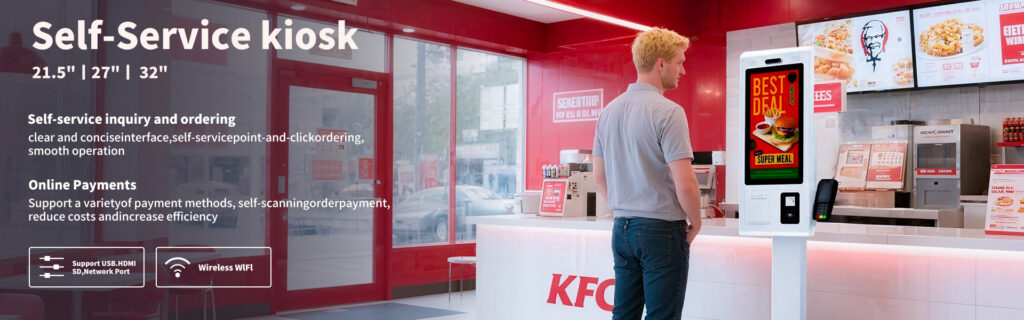
Digital signage plays a crucial role in hospitality and food-service settings, where clear communication, quick updates, and strong visual appeal can directly influence customer satisfaction and operational efficiency. Restaurant digital menu boards allow brands to display dynamic menus, change prices instantly, and highlight add-ons or limited-time offers, reducing both waiting time and ordering errors. Self-order screens streamline the customer journey by enabling guests to browse menus, customize orders, and pay directly, while queue displays manage customer flow during peak hours.
In hotels, lobby information screens and digital concierge displays provide guests with instant access to check-in details, facilities, local attractions, and real-time announcements. Event venues and conference centers increasingly rely on digital event schedule boards, which can sync with booking systems and update instantly when rooms or sessions change. The combined effect is improved guest experience, smoother operations, and more opportunities for upselling and service promotion.
Example 1 — Restaurant Using Digital Menu Boards
A fast-casual noodle restaurant installs three 49-inch digital menu boards above the counter. The screens show high-resolution food videos, lunch combo upsells, and allergen information. When ingredients run low, staff update menu availability immediately via cloud CMS. The restaurant saw shorter queue times and a 14% increase in combo sales due to animated visuals.
Example 2 — Hotel Lobby Using Digital Concierge Screens
A four-star city hotel replaces printed brochures with a 55-inch touchscreen concierge display. Guests browse city maps, transportation tips, restaurant recommendations, and weather updates. The hotel also promotes spa discounts and late-night room service through scheduled content. This reduced front-desk inquiries and increased hotel service revenue.
Corporate, Education & Workplace Communication
Digital signage is becoming a core communication tool across corporate offices, universities, and training campuses. Lobby welcome screens help companies present a modern brand image by greeting visitors, displaying corporate news, and showcasing achievements. Meeting room scheduling displays placed outside conference rooms synchronize with calendar systems, preventing double bookings and helping employees locate available spaces quickly. In education, campus announcement screens broadcast real-time updates, emergency alerts, class schedules, and event reminders. For internal teams, communication boards deliver HR messages, safety guidelines, KPI dashboards, and motivational content—keeping everyone aligned and informed across large organizations.
Interactive and networked displays allow universities and global companies to unify communication across multiple buildings or branches, while cloud content management ensures that messages are updated instantly. For fast-growing teams, digital signage creates transparency, strengthens corporate culture, and improves efficiency in day-to-day operations.
Example 1 — Ikinor Client: Singapore Corporate Office
A technology company in Singapore deployed Ikinor’s 32-inch meeting room scheduling panels and 55-inch lobby welcome screens across its headquarters. The displays sync with Microsoft Office 365, showing room availability, ongoing meetings, and visitor greetings. After installation, the company reported reduced scheduling conflicts and a more professional visitor reception experience.
Example 2 — Ikinor Client: University in Spain
A Spanish university partnered with Ikinor to install campus-wide digital notice boards, including 43-inch hallway displays and 65-inch smart interactive screens at faculty buildings. The system distributes emergency alerts, real-time class updates, and event notices. Students benefit from clearer communication, while administrators save time by eliminating manual poster updates.
Public Service, Healthcare & Government Use
Digital signage and interactive kiosks play an essential role in public service environments where clarity, accuracy, and real-time information delivery are critical. In hospitals and clinics, queue management displays guide patients through registration, waiting, and consultation stages, reducing confusion and improving overall efficiency. Public information terminals installed in city centers, libraries, and community halls provide quick access to announcements, maps, service schedules, and emergency notices.
Government buildings benefit from digital service update screens, which display counters, ticket numbers, document requirements, and policy changes, helping citizens navigate administrative processes with greater ease. Meanwhile, smart city guidance screens—often placed at bus stops, plazas, and transport hubs—deliver live traffic updates, environmental data, weather alerts, and local event information. With cloud-driven content management, public authorities can instantly update critical messages and ensure accurate communication across large metropolitan areas.
Example 1 — Ikinor Client: Government Hall in the Philippines
A municipal service center in Manila deployed Ikinor’s 43-inch queue management displays and 32-inch self-service terminals to streamline citizen services. Visitors now receive real-time queue updates, counter notifications, and document instructions on digital screens. The center reported shorter waiting times and fewer staff inquiries, improving daily operational efficiency.
Example 2 — Ikinor Client: Hospital Network in Oman
A healthcare group in Oman installed Ikinor’s 55-inch corridor displays and 22-inch patient check-in kiosks across its outpatient facilities. The system manages patient flow, shows appointment schedules, and delivers health education content. As a result, patient movement became smoother, and administrative staff saw a significant reduction in manual guidance tasks.
Transportation & Outdoor Advertising
In transportation hubs and outdoor environments, digital signage plays a vital role in delivering real-time, high-visibility information to the public. Airport and station timetable screens provide up-to-the-minute flight or train updates, gate changes, delays, and safety announcements—ensuring travelers always have accurate information. At city bus stops, real-time arrival displays enhance the commuter experience by showing countdowns, congestion alerts, and route adjustments.
For advertisers, DOOH (Digital Out-of-Home) billboards offer a powerful alternative to traditional outdoor posters, enabling dynamic video ads, scheduled campaigns, and time- or weather-based content triggers. Cities also benefit from traffic, weather, and public notice screens, which deliver essential updates such as road closures, emergency alerts, and environmental conditions. Using cloud-based systems, operators can manage hundreds of screens across a region, pushing updates instantly and maintaining consistent communication for millions of users.
Together, transportation signage and outdoor displays create a connected ecosystem that improves urban mobility, enhances passenger satisfaction, and opens new opportunities for targeted advertising.
Example 1 — Airport DOOH Network in South Korea
A major airport in Seoul deployed large-format Ikinor LED displays at terminals and boarding gates. These screens run synchronized flight information, multilingual announcements, and advertising slots from global brands. The installation significantly increased traveler engagement and improved the clarity of public communications.
Example 2 — City Bus-Stop Displays in Chile
A South American transportation operator partnered with Ikinor to install sunlight-readable high-brightness screens at bus stops in Santiago. The displays show live bus arrival times, traffic alerts, and air-quality updates. Commuter satisfaction improved, and city officials praised the system for reducing uncertainty during peak hours.