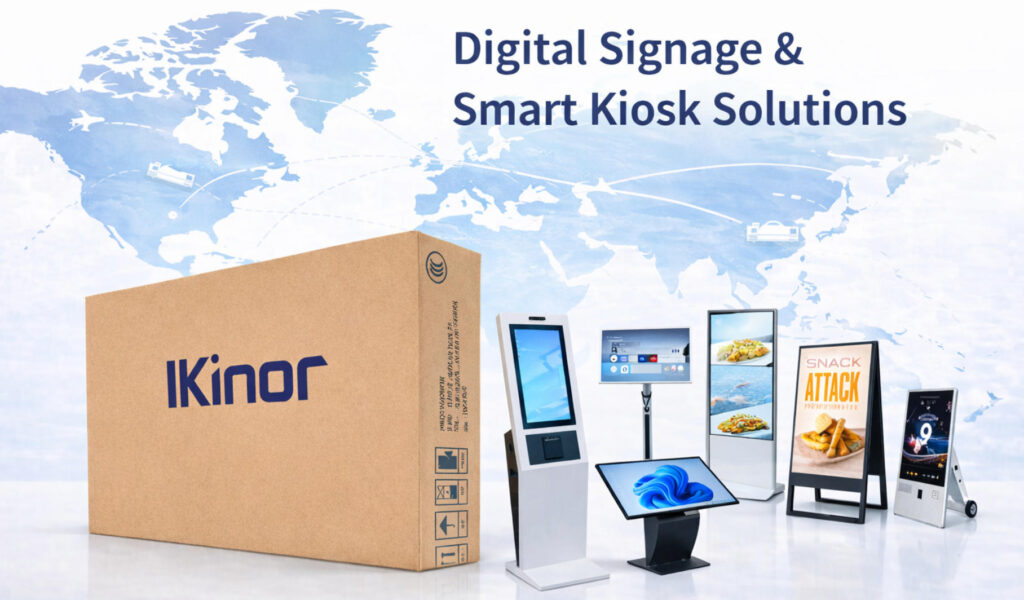

Digital signage has become an essential communication and engagement tool across retail, corporate, education, healthcare, and public environments. No longer limited to simple advertising screens, today’s digital signage systems deliver real-time information, dynamic visuals, and centralized content control that traditional static signage simply cannot match. From promoting products and guiding visitors to sharing internal updates and enhancing brand presence, digital signage plays a key role in how organizations communicate with their audiences.
Understanding the most common digital signage applications helps buyers, planners, and decision-makers choose the right screen type, software platform, and deployment strategy. In this guide, we break down ten widely used digital signage applications you should know, explaining where they are used, what they display, and why they continue to grow in demand across industries worldwide.
Why Digital Signage Is Everywhere Today
Digital signage has rapidly become a standard communication tool across industries such as retail, corporate offices, education, healthcare, transportation, and hospitality. As organizations face increasing pressure to communicate faster, smarter, and more visually, traditional printed signage can no longer keep up with modern operational needs. Digital signage allows businesses and institutions to deliver dynamic, up-to-date information on screens that capture attention and adapt instantly to changing environments. This shift explains why digital signage adoption continues to accelerate worldwide.
One of the key reasons behind this growth is the practical value digital signage delivers. Real-time content updates enable instant changes to pricing, schedules, announcements, or emergency messages without manual replacement. Strong visual impact—through video, animation, and high-resolution graphics—helps information stand out in busy environments and improves message retention. At the same time, centralized content management allows organizations to control hundreds or even thousands of screens from a single platform, ensuring consistency, accuracy, and operational efficiency.
For buyers, planners, and project owners, understanding digital signage use cases is critical because it directly influences purchasing and investment decisions. Different applications demand different screen sizes, brightness levels, mounting methods, software features, and long-term maintenance considerations. A clear understanding of where and how digital signage will be used helps avoid over- or under-specification, optimizes total cost of ownership, and ensures the investment delivers measurable value over time.
Retail & Shopping Malls: Boosting Sales and In-Store Experience
In retail environments and shopping malls, digital signage is primarily used to influence purchasing decisions and improve the overall in-store experience. Two of the most common and effective applications are promotional product displays and digital menu boards with real-time pricing updates.
Application 1: Promotional Displays and Product Advertising
Large-format digital screens placed at storefronts, window displays, or high-traffic corridors are widely used to showcase promotions, new arrivals, and featured products. Compared with static posters, motion graphics and video attract more attention and help brands stand out in competitive retail spaces. For example, a fashion brand in a shopping mall can instantly update campaign visuals for seasonal sales—such as summer collections or holiday discounts—across all stores at once. Retailers often report higher impulse purchases when promotional content is visually dynamic and placed near entrances or checkout areas, as customers are more likely to notice limited-time offers.
Application 2: Digital Menu Boards and Pricing Updates
In food courts, cafés, and quick-service restaurants, digital menu boards have become standard. These displays allow operators to adjust pricing, highlight best-selling items, and promote meal bundles in real time. A common real-world example is a fast-casual restaurant using digital menu boards to push lunch combos during peak hours and switch to dinner promotions later in the day. This flexibility not only improves operational efficiency but also increases average order value.
Overall, digital signage in retail directly impacts customer dwell time by making spaces more engaging and informative. Longer dwell time often translates into higher conversion rates, making digital signage a strategic investment rather than just a visual upgrade.

Corporate Offices & Enterprise Spaces: Communication and Branding
In corporate offices and enterprise environments, digital signage plays a vital role in strengthening internal communication while reinforcing brand identity. Two of the most common applications are lobby welcome screens and brand showcases and internal communication dashboards for employees.
Application 3: Lobby Welcome Screens and Brand Showcases
Digital signage in office lobbies creates a strong first impression for visitors, partners, and new employees. Large displays are used to show company branding, corporate videos, key achievements, and welcome messages for scheduled guests. For example, a multinational technology company may use a lobby video wall to display its global presence, innovation milestones, and ESG initiatives, instantly communicating credibility and scale. In co-working spaces, welcome screens often personalize greetings for different companies throughout the day, enhancing the professional image of the workspace.
Application 4: Internal Communication Dashboards and Wayfinding
Inside the office, digital signage supports day-to-day operations through real-time dashboards and information screens. These displays commonly show KPIs, sales performance, safety notices, HR announcements, and company news. A real-world example is a regional sales headquarters using internal screens to display live performance metrics and daily targets, helping teams stay aligned and motivated. Meeting room schedule displays outside conference rooms reduce double bookings, while digital wayfinding screens help employees and visitors navigate large office campuses efficientl
As hybrid work becomes more common, digital signage helps maintain corporate culture by keeping remote and on-site teams connected to shared goals, updates, and brand values—making it an essential communication tool for modern enterprises.

Education & Healthcare: Information, Guidance, and Engagement
Digital signage plays a critical role in education and healthcare environments, where clear communication, guidance, and timely information are essential. Two of the most common applications in these sectors are campus and classroom information boards and hospital navigation and patient communication systems.
Education Application – Campus Announcements and Classroom Information
In many universities and schools, digital signage is used to deliver real-time announcements, class schedules, event updates, and emergency notifications. For example, in Singapore, public universities and polytechnics widely deploy digital signage across campuses to display lecture changes, exam schedules, and student activity notices. During peak hours, these screens help reduce confusion in high-traffic areas such as lecture halls and student centers. In classrooms, digital boards also support daily agendas and reminders, improving organization and student engagement.
In healthcare settings, digital signage improves patient flow and communication. A common example can be seen in Germany, where large hospitals use digital wayfinding screens and queue management displays to guide patients through complex facilities. These systems show department locations, waiting times, and call numbers in real time, reducing stress and administrative workload. In waiting areas, screens provide patient education content, health tips, and compliance messaging, ensuring consistent and accurate information delivery.
Across both sectors, digital signage enhances clarity in high-traffic environments, supports emergency messaging when needed, and improves overall operational efficiency—making it a practical investment for institutions focused on safety, efficiency, and user experience.
Transportation, Hospitality & Public Spaces: Real-Time Information Delivery
Transportation hubs, hospitality venues, and public spaces rely heavily on digital signage to deliver accurate, real-time information to large volumes of visitors. Two of the most common applications in this sector are transportation schedule and alert displays and hospitality and tourism information screens.

Transportation Application – Airports, Metro, and Stations
In major transportation systems, digital signage is essential for displaying schedules, platform information, and service alerts. A clear real-world example can be seen in Japan, where railway stations and metro networks use high-brightness digital displays to show train arrival times, delays, and multilingual announcements. These screens update instantly, helping passengers navigate complex transit systems efficiently and reducing reliance on staff for routine inquiries.
Hospitality & Public Space Application – Hotels, Museums, and Tourism Centers
In the hospitality sector, digital signage enhances the guest experience by providing welcome messages, event schedules, and promotional content. For instance, in France, many hotels and museums use digital signage in lobbies and exhibition areas to display daily programs, guided tour times, and special exhibitions. Museums frequently update content throughout the day, allowing visitors to better plan their routes and engage more deeply with exhibits.
Across transportation, hospitality, and public environments, dynamic digital signage improves visitor flow, reduces confusion, and creates a more polished, modern experience. By delivering timely, visually engaging content, organizations can improve satisfaction levels while ensuring critical information reaches the right audience at the right time.
Manufacturing, Smart Cities & Outdoor Advertising
In manufacturing, smart city projects, and outdoor advertising environments, digital signage is designed for performance, visibility, and reliability under demanding conditions. Two key applications dominate this sector: factory production dashboards and safety communication, and outdoor LED digital signage for smart cities and DOOH advertising.
Manufacturing Application – Production Dashboards and Safety Notices
In modern factories, digital signage is widely used to display real-time production data, shift targets, quality metrics, and safety alerts. A practical case can be seen in Germany, where automotive component manufacturers deploy large digital dashboards on factory floors to show live output, downtime status, and safety reminders. These displays help supervisors and workers quickly identify issues, improve productivity, and reinforce safety compliance without relying on paper notices or manual briefings.
Smart Cities & Outdoor Advertising Application – LED and DOOH Displays
Outdoor digital signage plays a central role in smart city initiatives and digital-out-of-home (DOOH) advertising. In South Korea, smart city projects in major urban areas use outdoor LED screens and interactive kiosks to provide traffic updates, weather alerts, public announcements, and tourism information. At the same time, high-brightness LED billboards support dynamic advertising campaigns that adjust content based on time, location, or audience.
These applications require weather-proof enclosures, high brightness levels to remain visible in direct sunlight, and robust components capable of operating 24/7. When properly deployed, digital signage in manufacturing and outdoor environments delivers operational clarity, public value, and strong commercial impact.
Conclusion: Choosing the Right Digital Signage for Your Application
Choosing the right digital signage solution starts with clearly matching your use case to the appropriate screen type, size, and software platform. A retail promotion display, for example, requires high visual impact and vibrant color performance, while a factory dashboard prioritizes visibility, durability, and real-time data integration. Selecting the wrong configuration can lead to unnecessary costs or underperformance, making early planning essential.
Another critical factor is the environment. Indoor and outdoor applications have very different technical requirements. Indoor displays typically focus on resolution, viewing angles, and design aesthetics, whereas outdoor signage demands high brightness, weather resistance, temperature tolerance, and long-term stability. Understanding these differences helps buyers avoid costly replacements and ensures reliable operation over time.
Finally, scalability and content management should be considered from the beginning. A flexible CMS allows centralized control, easy content updates, and future expansion as screen networks grow. Whether you plan to manage ten screens or hundreds, the right platform supports consistency and efficiency. When digital signage is chosen with scalability, software compatibility, and total cost of ownership in mind, it becomes a long-term investment that delivers measurable ROI rather than a short-term display upgrade.