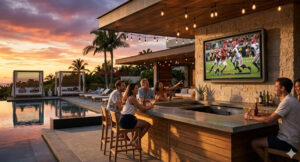
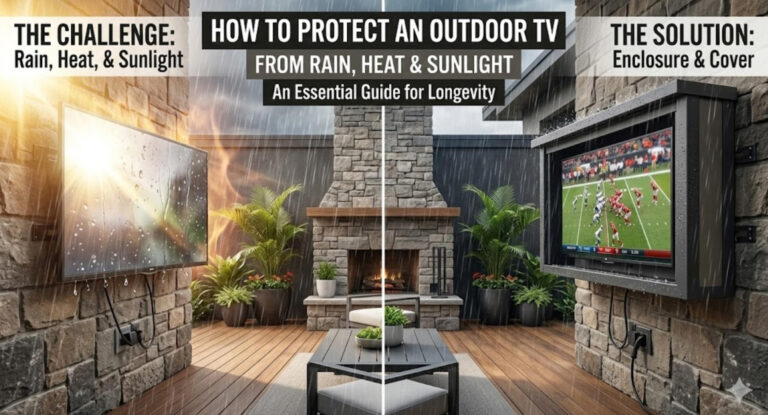
Globally, Outdoor TVs are becoming an increasingly important feature in both residential and commercial entertainment spaces. According to recent market research, the global outdoor TV market was valued at approximately USD 443 million in 2024 and is projected to exceed USD 1.16 billion by 2035, growing at a compound annual growth rate (CAGR) of over 10%. This growth is driven by the rising popularity of outdoor living, social gatherings, and live sports viewing experiences. North America remains the most mature market, with hotels, restaurants, and sports bars widely installing weatherproof TVs in patios, poolside areas, and garden spaces. To ensure long-term operational stability, suppliers and procurement decision-makers must carefully evaluate a device’s resistance to rain, heat, and direct sunlight.
What Structural Features Help Buyers Reduce Long-Term Outdoor Damage?
To better protect an Outdoor TV, buyers should first consider the structural features. Even with high brightness, a strong IP rating, and advanced thermal management, poorly designed housings or exposed interfaces can result in corrosion, water ingress, and accelerated component aging over time, which increases maintenance costs, operational downtime, and risks to customer experience.
Housing material is a critical factor. Aluminum alloy or weather-resistant steel enclosures typically offer superior corrosion resistance, making them ideal for coastal, humid, or high-salt environments. In contrast, plastic housings, while lightweight and easier to handle, can degrade over time under prolonged exposure to UV radiation, rain, and salt air, leading to cracking, discoloration, or structural weakening. The choice of material should always align with the expected environmental conditions.
Sealed interfaces are equally important. Waterproof connectors, rubber gaskets, and tight-fitting panels prevent rain, dust, or humidity from entering the device and protect sensitive internal components such as the motherboard, power supply, and LED backlight. In coastal or tropical regions, buyers should verify that the device has undergone additional environmental testing, including salt spray, humidity, and UV exposure tests, to ensure long-term reliability.
Additionally, commercial experience from portable smart TV manufacturers can guide procurement decisions. Vendors with proven deployment cases can provide validated structural designs and installation recommendations, helping buyers reduce environmental risks. By selecting products with robust housings, well-sealed interfaces, verified environmental testing, and real-world deployment history, buyers can minimize long-term outdoor damage, extend the lifespan of their equipment, and protect ROI while maintaining uninterrupted commercial operations.
What IP Rating Should Buyers Choose to Protect an Outdoor TV from Rain?
Although many buyers understand that selecting an Outdoor TV with an IP rating is necessary to withstand rain, most do not clearly know how to choose the correct IP level. In real-world outdoor environments, rain is rarely gentle or predictable. Wind-driven rain, heavy downpours, and continuous seasonal rainfall can all expose equipment to sustained moisture stress. This is where understanding the difference between IP65, IP66, and IP67 becomes critical.
IP65 protects against low-pressure water jets and is generally suitable for semi-covered outdoor areas where rain exposure is occasional and indirect. IP66 offers stronger resistance to high-pressure water jets, making it a safer option for fully exposed commercial terraces, rooftop bars, and restaurant patios where rain may hit the screen directly. IP67 focuses on temporary immersion protection, but in most fixed-installation outdoor TV scenarios, resistance to forceful rain is more relevant than short-term submersion capability.
For commercial venues, IP65 should be considered the minimum baseline. However, in regions with frequent storms, tropical rainfall, or coastal humidity, IP66 provides a more reliable safety margin against water ingress over time. In milder climates with overhead coverage, IP65 may be sufficient, but buyers must assess actual rainfall intensity rather than relying on general assumptions.
It is also important to distinguish between fixed outdoor TVs and portable smart TVs. Portable units involve more openings, movement, and interface exposure, which increases vulnerability to rain penetration. Therefore, procurement teams should always request verified third-party IP test reports from the portable smart TV manufacturer. Choosing the right IP rating is not just about meeting specifications—it is about protecting long-term operational reliability and minimizing weather-related business risk.
How Can Buyers Prevent Heat-Related Failures When Selecting an Outdoor TV?
Another critical consideration is that when an Outdoor TV operates for extended periods or in extremely hot weather, it may fail due to excessive heat, making proper heat exposure management essential. In commercial outdoor environments, heat is not an occasional challenge but a continuous operational pressure. When an Outdoor TV runs for long hours under direct sunlight or during peak summer temperatures, internal components such as the power supply, LED backlight, and processing board are exposed to sustained thermal stress. Without proper thermal management, this can result in brightness degradation, system instability, unexpected shutdowns, or even permanent hardware damage.
During procurement, buyers should first verify the maximum operating temperature listed in the technical specifications. Some products marketed as “outdoor” models only support temperatures up to 40°C or 45°C. However, in real-world conditions, direct sunlight can raise the device’s surface temperature far above ambient air levels. Confirming true thermal tolerance—rather than relying solely on labeling—is therefore critical.
Buyers should also ask whether the unit has undergone high-temperature endurance testing and whether it can maintain stable performance during continuous operation. Commercial venues such as restaurants, hotels, and sports facilities often require screens to operate for many consecutive hours, which amplifies heat-related risks.
For hotter climates, models equipped with active cooling systems, including internal fans or intelligent thermal control mechanisms, generally provide greater reliability than passive cooling designs. In addition, commercial-grade portable smart TVs are typically built with more robust thermal structures and higher heat-resistant components than standard household televisions. Choosing equipment with stronger thermal resilience ultimately protects long-term performance, reduces maintenance costs, and prevents heat-related failures from disrupting business operations.
How Should Installation Strategy Be Planned to Reduce Weather Risk?
Knowing how to select the right Outdoor TV is only the first step; installation strategy also plays a critical role in protecting the equipment. Even with a high IP rating and advanced thermal management, improper installation can leave devices vulnerable to rain accumulation, direct sunlight, and insufficient airflow, potentially causing malfunctions, performance degradation, or shortened lifespan, which may impact customer experience and business operations.
First, buyers should evaluate whether additional protective structures, such as canopies, awnings, or adjustable coverings, are necessary to shield the TV from direct rain, wind-driven precipitation, or intense sunlight. These structures can also help lower screen temperature and extend the life of internal components. Second, adequate ventilation space around the unit is essential to allow airflow, prevent overheating, and ensure that built-in thermal management systems perform effectively.
The choice of installation type directly affects long-term durability. Floor-mounted units offer flexibility for maintenance and relocation but are more exposed to wind-driven rain, ground moisture, and accidental impact. Wall-mounted installations can reduce exposure to water and debris but require sufficient wall strength and corrosion-resistant mounting hardware. For temporary setups or short-term events, portable smart TV placement requires attention to stability, protection from rain, and proper airflow, as well as consideration of staff and visitor safety.
Considering installation during the procurement stage allows buyers to mitigate environmental risks from the outset while optimizing performance and longevity. By combining protective coverings, proper ventilation, appropriate mounting types, and careful planning for temporary deployments, businesses can achieve comprehensive protection for Outdoor TVs, reduce maintenance costs, and ensure uninterrupted operation, ultimately maximizing return on investment.
Which Brightness Level Protects Viewing Quality Under Direct Sunlight?
Of course, installation should not only focus on protecting the Outdoor TV—it also needs to ensure optimal viewing quality to achieve the intended commercial value. In outdoor environments, brightness is a key factor in maintaining screen readability and customer satisfaction. Different brightness levels are suited to different installation scenarios. For semi-covered or shaded areas, a brightness of 500–700 nits is typically sufficient. For fully sun-exposed terraces, poolside areas, or outdoor restaurant patios, screens with 1000 nits or higher are often required to maintain clear visibility.
Anti-glare technology is also critical in outdoor applications. Even with adequate brightness, strong reflections on the screen can impair viewing, making it difficult for customers to see content clearly and potentially reducing commercial value. Buyers should consider screens with anti-glare coatings or matte finishes to enhance visibility and viewing comfort.
Insufficient brightness can create significant business risks. Dim screens may not only appear unclear but can also impact customer experience and the effectiveness of commercial activities. For example, in a restaurant or bar setting, customers may struggle to view menus, promotions, or live events, which can lower satisfaction and spending. However, high-brightness displays usually come with higher power consumption and increased heat generation, which must be managed alongside cooling systems and energy budgets to ensure long-term reliable operation.
Overall, when selecting an Outdoor TV, buyers should carefully evaluate brightness levels, anti-glare technology, power consumption, and thermal management. Choosing the right combination not only protects viewing quality under direct sunlight but also maximizes the effectiveness of commercial operations and ensures the highest return on investment.
Can Additional Protective Measures Reduce Business Risk?
Many buyers may ask whether additional measures are necessary to protect an Outdoor TV beyond structural features, IP rating, and heat exposure management. The answer is a clear yes. In commercial applications, supplementary protective measures can significantly reduce operational risks, ensure long-term reliability, and maximize return on investment.
First, rain covers are a simple yet highly effective solution. Even when an Outdoor TV has a high IP rating, extra protective covers or awnings can shield the screen from wind-driven rain, heavy downpours, and unexpected weather events, helping to prolong the lifespan of internal components. Properly designed covers can also reduce UV exposure and direct sunlight, which further mitigates heat-related degradation.
Second, surge protection is essential for outdoor power systems. Voltage spikes, lightning strikes, or power grid fluctuations can easily damage the motherboard, power supply, or other sensitive electronics, leading to unexpected downtime. Incorporating surge protection ensures operational continuity and reduces the risk of costly business interruptions.
Additionally, insurance or extended warranty programs provide an extra layer of security. Some portable smart TV manufacturers offer commercial-grade extended warranties with on-site maintenance or rapid replacement services, allowing businesses to minimize repair costs and downtime if equipment fails unexpectedly.
When deciding between built-in protection and external safeguards, buyers should carefully weigh cost versus risk. Built-in features, such as reinforced housings and waterproof connectors, require higher upfront investment but typically reduce long-term maintenance. External measures, including rain covers, surge protectors, or environmental shields, are more flexible and cost-effective initially but require regular inspection and upkeep. Combining both internal and external protective measures allows businesses to minimize weather- and electricity-related risks, safeguard continuous operation, and optimize long-term ROI while maintaining customer satisfaction and commercial reliability.
FAQs
What IP rating should I choose to ensure my Outdoor TV is safe from rain and moisture?
For most commercial installations, an IP65 rating or higher is recommended. IP65 protects against heavy rain and dust, while IP66 or IP67 offers additional protection for extreme weather conditions. Buyers should also confirm third-party test reports from the portable smart TV manufacturer.
Verify the maximum operating temperature of the TV, ensure it can maintain stable performance during prolonged high-temperature exposure, and consider models with active cooling. Commercial-grade portable smart TVs generally offer better thermal stability than consumer-grade models.
Consider protective structures like canopies, maintain adequate ventilation space, and choose the appropriate mounting type (floor-mounted vs wall-mounted). For temporary events, ensure portable smart TVs are stable, ventilated, and safe for foot traffic.
Which brightness level is suitable to maintain viewing quality under direct sunlight?
Brightness should match the exposure level: 500–700 nits for shaded or semi-outdoor areas, and 1000 nits or higher for full sun. Anti-glare coatings or matte screens can further improve visibility and prevent customer dissatisfaction.
What structural features help reduce long-term outdoor damage?
Look for corrosion-resistant housings (aluminum or weather-resistant steel), sealed interfaces, and proven performance in high-humidity or coastal environments. Check for manufacturer case studies to confirm real-world reliability.