При выборе решения для отображения информации многие покупатели сравнивают Дисплеи IPS и LCD технологий, но, возможно, не до конца понимают различия между ними. IPS — это, по сути, один из видов технологий ЖК-панелей, разработанный для улучшения однородности просмотра, цветопередачи и стабильности изображения. Однако правильный выбор зависит не только от типа панели. На окончательное решение влияют такие факторы, как среда применения, условия просмотра, требования к взаимодействию, яркость и бюджет проекта. В данном руководстве объясняется взаимосвязь между технологиями IPS и LCD, сравниваются их основные различия в характеристиках и даются рекомендации покупателям коммерческих дисплеев по выбору наиболее подходящей технологии панелей для таких областей применения, как интерактивные дисплеи, цифровые вывески, киоски и другие профессиональные дисплейные решения.
Дисплеи IPS и LCD: в чем разница между IPS и стандартными LCD-дисплеями
Когда покупатели ищут Дисплеи IPS и LCD, они часто полагают, что IPS и LCD — это две совершенно разные технологии дисплеев. Однако это распространённое заблуждение.
На самом деле, IPS — это один из видов технологий производства ЖК-панелей. LCD (жидкокристаллический дисплей) — это общая категория дисплеев, а IPS (In-Plane Switching) — это одна из конкретных конструкций панелей, разработанная для улучшения однородности изображения, углов обзора и цветопередачи.
Поэтому фактическое сравнение, как правило, не IPS против LCD, а скорее:
Технологии IPS LCD и стандартных ЖК-панелей, например, панели TN или VA.
Различные конструкции ЖК-панелей влияют на важные характеристики дисплея, в том числе на угол обзора, стабильность цветопередачи, контрастность, время отклика и себестоимость производства. Понимание этих различий помогает покупателям выбрать подходящее решение для дисплея с учетом требований конкретного применения, а не просто остановиться на самом дорогом варианте.
IPS и стандартная ЖК-панель: основные различия
| Коэффициент сравнения | IPS-ЖК-дисплей | Стандартный ЖК-дисплей (TN / VA) |
|---|---|---|
| Тип технологии | Специфическая технология производства ЖК-панелей с использованием структуры In-Plane Switching | Традиционные технологии производства ЖК-панелей с различными методами ориентации жидких кристаллов |
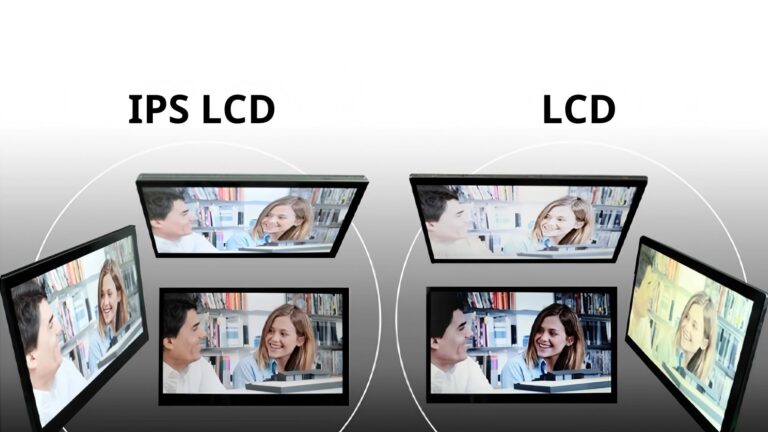
| Угол обзора | Широкие углы обзора и более стабильное качество изображения | Качество изображения зависит от типа панели; при просмотре под большими углами цвет и яркость могут изменяться |
| Цветовая согласованность | Как правило, обеспечивает более стабильное цветовоспроизведение при различных углах обзора | Производительность зависит от конструкции панели и может демонстрировать более заметные изменения |
| Однородность изображения | Более равномерное распределение по всему экрану | Зависит от конкретной технологии ЖК-дисплея, используемой в данном случае |
| Характеристики контрастности | Сбалансированные характеристики контрастности для общего применения | Панели VA могут обеспечивать более высокий уровень контрастности |
| Время отклика | Оптимальный баланс для коммерческих и интерактивных приложений | Некоторые типы ЖК-дисплеев могут обеспечивать более быстрое время отклика в зависимости от приоритетов при их разработке |
| Себестоимость производства | Как правило, выше благодаря более совершенной конструкции панели | Как правило, более экономически выгодно для проектов с ограниченным бюджетом |
| Типичные области применения | Коммерческие дисплеи, интерактивные дисплеи, цифровые вывески, профессиональные мониторы | Продукты с ограниченным бюджетом, простые дисплеи, приложения с фиксированным углом обзора |
Почему эта разница имеет значение?
Хотя и IPS, и стандартные ЖК-панели основаны на технологии ЖК, их внутреннее устройство влияет на то, как пользователи воспринимают изображение на экране.
Например, для дисплея, установленного в фиксированном положении и предназначенного для просмотра одним человеком, преимущества технологии IPS могут оказаться ненужными. В то же время в ситуациях, когда несколько пользователей смотрят на экран с разных позиций, более широкие углы обзора и стабильное качество изображения часто оказываются весьма полезными.
Именно поэтому покупатели коммерческих дисплеев обычно оценивают технологию панелей в совокупности со следующими факторами:
- Условия просмотра;
- Количество пользователей;
- Требования к взаимодействию;
- Требования к визуальному контенту;
- Бюджет проекта.
Выбор подходящей ЖК-панели заключается не в поиске “лучшей” технологии для любой ситуации, а в подборе технологии, соответствующей конкретным условиям эксплуатации.
После того как мы разобрались в взаимосвязи между технологиями IPS и LCD, в следующем разделе мы более подробно сравним различия в их характеристиках, включая угол обзора, точность цветопередачи, контрастность, время отклика, энергопотребление и стоимость.
Дисплеи IPS и LCD: основные различия в характеристиках, о которых следует знать покупателям
При выборе дисплейной панели для коммерческого проекта покупатели часто сравнивают IPS-ЖК-дисплей технологии со стандартными ЖК-решениями с точки зрения технических характеристик и цены. Однако одни только технические характеристики не всегда позволяют определить, подходит ли панель для конкретного применения.
Различные конструкции панелей разрабатываются с учетом разных приоритетов. В одних на первый план выходит экономическая эффективность, в то время как в других — единообразие изображения, качество просмотра или визуальные характеристики. Поэтому понимание практического влияния каждого из факторов производительности имеет большее значение, чем простой выбор панели с наилучшими техническими характеристиками.
При реализации проектов по установке коммерческих дисплеев покупателям следует учитывать такие ключевые факторы, как угол обзора, стабильность цветопередачи, контрастность, время отклика и общая стоимость.
Угол обзора: почему он важен не только с точки зрения технических характеристик
Угол обзора — одно из важнейших отличий панелей IPS от стандартных ЖК-панелей, однако его значение во многом зависит от того, как будет использоваться дисплей.
Если дисплей используется одним человеком, находящимся в фиксированном положении, угол обзора, возможно, не является серьезной проблемой. Однако многие коммерческие дисплеи предназначены для использования в условиях совместного просмотра, когда пользователи могут стоять, ходить или сидеть в разных положениях вокруг экрана.
К примерам относятся:
- Дисплеи для конференц-залов;
- Интерактивные экраны для классных комнат;
- Информационные табло;
- Рекламные экраны в розничных магазинах.
В таких условиях пользователи редко смотрят на экран с одной и той же позиции. Если панель не способна обеспечивать стабильное качество изображения при просмотре под разными углами, зрители могут заметить изменения яркости, цвета или четкости изображения.
Именно поэтому угол обзора — это не просто технический параметр. Он напрямую влияет на то, смогут ли разные пользователи четко и одинаково видеть один и тот же контент.
При реализации коммерческих проектов покупателям следует учитывать не только размер экрана или разрешение, но и предполагаемое поведение пользователей при просмотре.
Цветовая согласованность: обеспечение стабильного визуального представления
Еще одним важным фактором при сравнении IPS-дисплеев со стандартными ЖК-дисплеями является качество цветопередачи.
Во многих коммерческих приложениях дисплеи используются для отображения визуальной информации, такой как:
- Реклама брендов;
- Изображения товаров;
- Цифровые меню;
- Пользовательские интерфейсы;
- Образовательный контент.
В таких ситуациях стабильность часто оказывается важнее, чем достижение максимально возможных цветовых характеристик.
Дисплей могут рассматривать под разными углами или с разного расстояния, и нестабильное цветовое воспроизведение может повлиять на то, как пользователи воспринимают отображаемый контент. Например, рекламное объявление, демонстрируемое на дисплее в розничном магазине, должно сохранять одинаковый внешний вид независимо от того, стоят ли покупатели прямо перед экраном или смотрят на него сбоку.
Панели IPS часто выбирают для задач, в которых важна стабильная цветопередача, поскольку они разработаны таким образом, чтобы минимизировать заметные изменения цвета при просмотре под разными углами.
Тем не менее, стандартные ЖК-панели по-прежнему могут обеспечивать достаточную производительность для задач, в которых:
- Угол обзора ограничен;
- Пользователи в основном смотрят прямо на экран;
- Контроль затрат является более приоритетной задачей.
Характеристики контрастности: разные технологии имеют разные преимущества
Хотя IPS-панели обладают преимуществами в плане углов обзора и стабильности цветопередачи, они не всегда являются оптимальным выбором для всех требований к производительности.
Характеристики контрастности — это один из примеров, когда различные технологии ЖК-дисплеев могут иметь свои преимущества.
Некоторые панели VA позволяют добиться более высокого уровня контрастности по сравнению с панелями IPS, благодаря чему они подходят для задач, где важны более глубокие оттенки черного и более высокая контрастность.
Это означает, что покупателям не следует выбирать панели, исходя из предположения, что одна из технологий всегда превосходит другую.
Напротив, выбор должен зависеть от цели проекта:
- Если приоритетом является стабильное качество изображения для нескольких пользователей, то IPS может оказаться более подходящим вариантом.
- Если приоритетом является качество контрастности в условиях контролируемого просмотра, можно также рассмотреть другие ЖК-технологии.
В процессе профессионального подбора дисплеев следует оценивать сценарий применения в целом, а не сосредотачиваться исключительно на одном техническом параметре.
Время отклика: акцент на реальных коммерческих требованиях
В дискуссиях о потребительских дисплеях часто уделяется особое внимание времени отклика, особенно когда речь идет об игровых мониторах. Однако в проектах по установке коммерческих дисплеев приоритеты, как правило, иные.
При выборе оборудования для бизнеса и промышленности покупатели, как правило, уделяют больше внимания следующим аспектам:
- Стабильная работа;
- Четкое отображение изображения;
- Надежная работа в течение длительного времени;
- Плавная работа при использовании сенсорных функций.
В случае интерактивных дисплеев скорость отклика может влиять на удобство письма, создания пометок и сенсорного взаимодействия. В случае цифровых вывесок она влияет на плавность воспроизведения видеоконтента.
Как IPS-панели, так и стандартные ЖК-панели могут соответствовать коммерческим требованиям в зависимости от конкретной модели панели и конфигурации системы.
Поэтому время отклика следует оценивать в совокупности с другими факторами, а не использовать в качестве единственного критерия принятия решения.
Разница в стоимости: поиск баланса между производительностью и требованиями проекта
Стоимость зачастую является решающим фактором, влияющим на выбор панели.
Производство IPS-ЖК-панелей обычно сопряжено с более высокими затратами, поскольку их конструкция требует применения более передовых технологий для обеспечения более стабильного качества изображения и лучших цветовых характеристик.
Стандартные ЖК-панели обычно выбирают для проектов, в которых приоритет отдается экономичности, а условия просмотра находятся под относительным контролем.
Например:
- Для дисплея, предназначенного для отображения базовой информации в стационарном помещении, возможно, не потребуются характеристики уровня IPS.
- Коммерческий дисплей, которым пользуются несколько пользователей, может оправдать дополнительные затраты на технологию IPS.
Для покупателей-производителей оригинального оборудования (OEM), дистрибьюторов и системных интеграторов задача заключается не просто в выборе самой передовой технологии панелей. Более рациональным подходом является выбор решения, обеспечивающего оптимальный баланс между характеристиками дисплея, требованиями конкретного применения и общей стоимостью проекта.
Понимание этих различий в характеристиках помогает покупателям принимать более обоснованные решения, прежде чем переходить к этапу выбора оборудования для конкретных задач. В следующем разделе будет рассмотрено, как эти характеристики панелей влияют на реальные проекты по установке коммерческих дисплеев и на впечатления пользователей.
Как различия между IPS- и LCD-панелями влияют на характеристики коммерческих дисплеев
Технические характеристики играют важную роль при выборе дисплейной панели, однако их реальная ценность зависит от того, как они влияют на реальные условия эксплуатации. Такие характеристики, как угол обзора, стабильность цветопередачи и контрастность, приобретают значение только тогда, когда позволяют решить конкретные задачи в рамках проекта по установке коммерческих дисплеев.
В отличие от персональных дисплеев, предназначенных для одного пользователя, сидящего в фиксированном положении, коммерческие дисплеи часто используются в условиях, когда люди взаимодействуют с экранами по-разному. Пользователи могут просматривать контент с разных позиций, совместно работать вокруг дисплея или просматривать информацию, перемещаясь по общественному пространству.
Таким образом, цель сравнения IPS-ЖК-дисплей А смысл сравнения стандартных ЖК-решений заключается не в том, чтобы определить, какая из технологий лучше в общем случае. Напротив, покупателям необходимо понять, какие характеристики являются более важными для их конкретных задач.
Многие коммерческие дисплеи рассчитаны на нескольких зрителей, а не на одного пользователя.
При использовании персонального монитора пользователь обычно сидит прямо перед экраном, благодаря чему положение зрителя относительно предсказуемо. Однако в коммерческих помещениях ситуация иная.
Например:
- Участники, находящиеся в конференц-зале, могут расположиться вокруг конференц-стола.
- Учащиеся в классе могут смотреть на экран из разных уголков класса.
- Посетители, находящиеся в общественном месте, могут подходить к экспонату с разных сторон.
В таких ситуациях дисплей должен обеспечивать единообразное визуальное восприятие для разных пользователей одновременно.
Именно в этом случае такие характеристики панели, как стабильность изображения при просмотре, приобретают особую ценность. Преимущество заключается не просто в том, что пользователи могут видеть экран под более широким углом, но и в том, что отображаемая информация остается более понятной независимо от того, где находятся пользователи.
Например, если презентация содержит диаграммы, документы или подробный визуальный контент, различия в качестве изображения в зависимости от места просмотра могут снизить эффективность коммуникации. Дисплей, используемый для совместной работы, должен обеспечивать комфортное просмотр для всей аудитории, а не только для человека, стоящего непосредственно перед ним.
Именно поэтому панели IPS часто рассматриваются в качестве оптимального решения для устройств, предназначенных для совместного просмотра. Однако в случае дисплеев, устанавливаемых в контролируемых условиях с фиксированной позицией просмотра, дополнительные преимущества технологии IPS могут оказывать меньшее влияние на общее впечатление пользователя.
Главный вопрос заключается в том, требует ли проект обеспечения стабильного качества изображения при просмотре из разных точек зрения пользователей.
Интерактивные дисплеи: когда пользователи становятся участниками, а не просто зрителями
Интерактивные дисплеи предъявляют иные требования, поскольку пользователи не только просматривают контент, но и активно взаимодействуют с ним.
В традиционных приложениях с отображением информации основная цель заключается в представлении информации. В интерактивных приложениях пользователи могут писать, добавлять пометки, перемещаться по меню или совместно работать непосредственно на экране.
Это меняет значение производительности дисплея.
Например, в условиях совместного совещания несколько пользователей могут стоять вокруг сенсорного дисплея, обсуждая отображаемый контент. В образовательной среде учащиеся могут просматривать информацию на дисплее и взаимодействовать с ним, находясь в разных точках классной комнаты.
В таких случаях единообразное визуальное оформление помогает обеспечить, чтобы все участники во время взаимодействия могли четко видеть одну и ту же информацию.
Однако дисплейная панель — это лишь одна из составляющих полноценного интерактивного опыта. Успех интерактивного дисплейного решения зависит также от других факторов, в том числе:
- Сенсорные технологии;
- Производительность системы;
- Возможности программного обеспечения;
- Яркость и условия установки.
Мобильные решения, такие как портативный смарт-экран сочетают в себе функциональность сенсорного экрана с гибкими возможностями установки, благодаря чему они подходят для проведения временных совещаний, тренингов и работы в условиях совместной деятельности.
Поэтому IPS следует рассматривать как один из элементов, влияющих на пользовательский опыт, а не как единственный фактор, определяющий качество изображения.
Публичные дисплеи: когда визуальная согласованность способствует коммуникации
Приложения для публичного показа имеют иные приоритеты, поскольку у зрителей зачастую ограничено время и внимание.
Цифровые вывески, рекламные дисплеи и информационные экраны, как правило, устанавливаются в местах, где люди могут кратко ознакомиться с контентом, проходя мимо.
В таких ситуациях задача дисплея заключается не только в отображении информации, но и в обеспечении эффективной коммуникации. Для таких областей применения, как розничная реклама, информационные табло общего пользования и рекламные акции на витринах магазинов, напольные цифровые экраны представляет собой гибкое решение для установки, предназначенное для демонстрации визуального контента в местах с высокой посещаемостью.
Например:
- Рекламный контент должен иметь единообразный визуальный облик;
- Цвета бренда должны оставаться узнаваемыми;
- Изображения товаров должны отображаться точно.
Если качество изображения значительно меняется в зависимости от угла обзора, это может снизить эффективность отображаемого контента.
Именно поэтому при реализации проектов по установке коммерческих дисплеев часто учитываются не только технические характеристики панелей, но и условия установки, а также поведение пользователей.
Однако визуальная согласованность — это лишь одна из составляющих общего решения по организации дисплеев. На конечный результат также влияют яркость, размер экрана, место установки и тип контента.
Панель, которая хорошо себя зарекомендовала в условиях торговых помещений, не обязательно будет оптимальным выбором для всех случаев использования в общественных местах.
Различные технологии ЖК-дисплеев обладают разными преимуществами
Распространенной ошибкой при выборе дисплея является предположение, что технология IPS всегда является лучшим вариантом в любой ситуации.
На самом деле различные технологии ЖК-дисплеев разрабатываются с учетом разных приоритетов.
Панели IPS, как правило, ценятся за:
- Более стабильное качество просмотра;
- Стабильная цветопередача;
- Более подходит для условий совместного просмотра.
Другие технологии ЖК-дисплеев, такие как панели VA, могут обладать преимуществами в следующих областях:
- Повышенная контрастность;
- Более точная передача уровня черного.
Для задач, где главным требованием является контрастность, более подходящей может оказаться другая технология изготовления панелей. Для задач, где нескольким пользователям требуется одинаковое качество изображения, технология IPS может обеспечить большую практическую ценность.
Правильный выбор зависит от того, какие задачи должен выполнять дисплей.
Выбор технологии панелей с учетом целей применения
При реализации проектов по установке коммерческих дисплеев выбор панелей следует начинать с учета предполагаемого пользовательского опыта, а не с одной-единственной технической характеристики.
Полезно рассмотреть следующий подход:
| Состояние проекта | Основное требование |
|---|---|
| Несколько человек, смотрящих на один и тот же экран | Стабильное качество изображения при просмотре с любых точек |
| Интерактивное сотрудничество | Удобство просмотра при взаимодействии с пользователем |
| Табло общественной информации | Четкое и последовательное изложение материала |
| Брендовый или рекламный стенд | Стабильная визуальная связь |
| Приложение с фиксированным режимом просмотра | Экономическая эффективность и основные характеристики дисплея |
Цель заключается не в том, чтобы для каждого проекта выбирать самую передовую технологию изготовления панелей. Напротив, покупателям следует выбирать ту технологию, которая наилучшим образом соответствует тому, как дисплей будет использоваться на практике.
Понимание взаимосвязи между характеристиками панелей и коммерческими требованиями служит основой для принятия более обоснованных решений. Следующим шагом является оценка того, какую важность придают этим факторам различные сценарии применения и в каких случаях IPS-панели или стандартные ЖК-панели становятся более подходящим выбором.
Дисплеи IPS и LCD: выбор подходящей панели для различных задач
Выбор подходящей панели дисплея зависит от конкретной цели проекта. Хотя IPS-ЖК-панели широко используются во многих коммерческих приложениях, стандартные ЖК-решения также могут оказаться подходящими в тех случаях, когда условия установки и требования пользователей находятся под более тщательным контролем.
Правильный выбор заключается не в том, чтобы выбрать панель с самыми высокими техническими характеристиками, а в том, чтобы соотнести характеристики дисплея с приоритетами конкретного применения.
| Приложение | Основной приоритет | Рекомендуемые аспекты, которые следует учитывать |
|---|---|---|
| Интерактивный дисплей / Smart Board | Возможности просмотра и совместной работы для нескольких пользователей | Обычно предпочтение отдается IPS-ЖК-дисплеям |
| Цифровые экраны | Визуальное оформление и согласованность содержания | Чаще всего выбирают IPS-ЖК-дисплеи |
| Интерактивный киоск | Взаимодействие с пользователем и гибкие варианты просмотра | IPS-ЖК-дисплей или оптимизированное ЖК-решение |
| Промышленные интерфейсы человека-машины (HMI) | Надежность и экономическая эффективность | Стандартного ЖК-дисплея может оказаться достаточно |
| Стационарный информационный дисплей | Основные функции отображения данных и контроль бюджета | Стандартный ЖК-дисплей может стать практичным выбором |
Интерактивный дисплей и интерактивная доска
В случае интерактивных дисплеев, используемых в классах, конференц-залах и учебных помещениях, главным фактором является обеспечение совместной работы нескольких пользователей.
К типичным требованиям относятся:
- Четкая визуализация контента для разных пользователей;
- Стабильное отображение изображения во время взаимодействия;
- Комфортное просмотр даже при длительном использовании.
Для таких задач обычно выбирают IPS-ЖК-панели, поскольку они обеспечивают стабильное качество изображения независимо от того, в каком положении находятся пользователи относительно экрана.
Однако технология панелей — это лишь одна из составляющих решения для интерактивных дисплеев. Покупателям следует также оценить сенсорную технологию, операционную систему, возможности подключения и совместимость программного обеспечения.
Цифровые вывески и рекламные дисплеи для коммерческого использования
В проектах по цифровым вывескам приоритетом, как правило, является эффективная передача контента.
Такие приложения, как:
- Рекламные экраны в розничных магазинах;
- Цифровые табло с меню;
- Информационные табло;
необходимо обеспечивать четкое и согласованное визуальное представление в условиях, когда зрители могут находиться в различных положениях.
ЖК-панели IPS часто выбирают в тех случаях, когда важна визуальная целостность и представление бренда. Однако при выборе комплексного решения для дисплея покупателям следует также учитывать условия установки, требования к яркости и условия эксплуатации.
Интерактивный киоск и терминал самообслуживания
При создании интерактивных киосков необходимо соблюдать баланс между удобством использования и затратами на внедрение.
К числу типичных областей применения относятся:
- Киоски для заказа блюд в ресторанах;
- Информационные терминалы для посетителей;
- Оборудование для самообслуживания.
Поскольку пользователи взаимодействуют непосредственно с дисплеем, панель должна обеспечивать комфортное просмотр во время работы.
Для коммерческих киосков премиум-класса, где пользовательский опыт является ключевым фактором, IPS-ЖК-дисплеи могут обеспечить дополнительную ценность. В случаях, когда важна экономичность и места расположения пользователей фиксированы, стандартные ЖК-решения также могут соответствовать требованиям проекта.
Промышленные интерфейсы человека-машины (HMI) и стационарные дисплеи
Промышленные приложения зачастую имеют иные приоритеты по сравнению с коммерческими средами для проведения презентаций.
К примерам относятся:
- Заводские панели управления;
- Системы мониторинга оборудования;
- Интерфейсы оборудования.
В таких случаях пользователи, как правило, управляют дисплеем из относительно фиксированного положения. Поэтому не всегда требуется максимальная стабильность изображения.
Стандартная ЖК-панель может стать практичным выбором, если основными требованиями являются:
- Стабильная работа;
- Экономическая эффективность;
- Долгосрочная надежность.
Однако если нескольким операторам необходимо одновременно просматривать одну и ту же информацию, панель с более высокой производительностью всё же может обеспечить дополнительные преимущества.
Как принять окончательное решение
При выборе между IPS-ЖК-панелями и стандартными ЖК-панелями покупателям следует учитывать следующее:
| Вопрос | Критерии отбора |
|---|---|
| Будут ли несколько человек смотреть на экран одновременно? | Рассмотрим IPS-ЖК-дисплеи |
| Имеет ли визуальное оформление значение для клиентов или для продвижения бренда? | Рассмотрим IPS-ЖК-дисплеи |
| Управление дисплеем в основном осуществляется из фиксированного положения? | Стандартного ЖК-дисплея может оказаться достаточно |
| Является ли стоимость проекта главным фактором? | Оценить стандартные решения для ЖК-дисплеев |
Лучшая коммерческая дисплейная панель — это не всегда та, которая имеет самые высокие технические характеристики. Идеальный выбор — это тот, который соответствует условиям реализации проекта, поведению пользователей и бизнес-целям.
Основные факторы, которые следует учитывать при выборе коммерческой дисплейной панели
Выбор правильного коммерческая панель дисплея требует большего, чем просто сравнение технологий IPS и LCD. Хотя тип панели влияет на качество просмотра и характеристики изображения, комплексное решение для дисплея также зависит от таких факторов, как условия установки, требования к яркости, сенсорные функции, совместимость с системой и долгосрочная надежность.
Коммерческим покупателям рекомендуется перед покупкой проанализировать следующие факторы, чтобы убедиться в том, что выбранное решение для демонстрации соответствует фактическим требованиям проекта.
1. Условия установки и условия просмотра
При выборе коммерческого дисплея следует в первую очередь учитывать условия установки.
Применение в помещениях, например:
- Конференц-залы;
- Классные комнаты;
- Помещения для обучения;
обычно работают в условиях контролируемого освещения.
Однако дисплеи, установленные в:
- Витрины розничных магазинов;
- Транспортные зоны;
- Открытые пространства;
могут подвергаться воздействию более интенсивного внешнего освещения, перепадов температуры или более длительного времени работы.
В таких ситуациях покупателям следует оценить, обеспечивает ли дисплей достаточную яркость, уровень защиты и долговечность с учетом условий эксплуатации.
Даже высококачественный дисплей не сможет компенсировать несоответствующую общую конфигурацию монитора.
2. Требования к яркости и видимости
Яркость напрямую влияет на то, насколько четко можно просматривать контент в различных условиях.
Например:
- Стандартные дисплеи для использования в помещениях, возможно, не требуют чрезвычайно высокой яркости;
- Для торговых витрин, расположенных возле окон, может потребоваться более высокая яркость;
- Для цифровых вывесок, устанавливаемых на улице, обычно требуются значительно более высокие показатели яркости.
При выборе коммерческого дисплея покупателям следует учитывать следующее:
- Место установки;
- Расстояние между зрителями и экраном;
- Условия окружающего освещения;
- Тип содержимого.
Требуемая яркость должна соответствовать реальным условиям освещения, а не просто определяться выбором максимального значения из доступных технических характеристик.
3. Требования к сенсорным функциям и интерактивности
Для интерактивных дисплеев сенсорные функции являются важной составляющей общего решения.
Покупателям следует оценить:
- Точность касания;
- Поддержка мультитач;
- Опыт написания текстов и составления аннотаций;
- Совместимость с операционными системами и программным обеспечением.
Дисплей, используемый в образовательных целях или для делового сотрудничества, предъявляет иные требования к характеристикам взаимодействия, чем простой рекламный экран.
Поэтому при выборе панели следует учитывать как сенсорные технологии, так и совместимость программного обеспечения.
4. Конфигурация оборудования и совместимость системы
Коммерческие дисплеи чаще всего интегрируются в более крупные системы, а не используются в качестве автономных экранов.
В зависимости от сферы применения покупателям, возможно, следует учитывать следующее:
- Поддержка операционных систем Android или Windows;
- Совместимость с OPS;
- Подключение внешних устройств;
- Беспроводной доступ к экрану;
- Системы управления контентом.
Для проектов OEM-производителей и системных интеграторов гибкость аппаратного обеспечения может быть не менее важна, чем производительность дисплея, поскольку она влияет на возможности будущей настройки и развертывания.
5. Надежность и долговечность
Как правило, от коммерческих дисплеев ожидается, что они будут работать в течение более длительного времени по сравнению с бытовыми устройствами.
К числу важных факторов относятся:
- Качество компонентов;
- Техническое проектирование систем теплоснабжения;
- Стабильность работы;
- Послепродажное обслуживание;
- Наличие запасных частей.
Дисплей с подходящими техническими характеристиками, но низкой надежностью со временем может привести к увеличению затрат на техническое обслуживание.
Для компаний, закупающих оборудование в больших количествах, долгосрочная надежность зачастую имеет большее значение, чем небольшая разница в первоначальной стоимости.
6. Индивидуальная настройка и возможности поставщика
Для брендов, дистрибьюторов и поставщиков решений возможность индивидуальной настройки продукции может повлиять на успех проекта.
К важным возможностям поставщика могут относиться:
- Настройка аппаратного обеспечения;
- Адаптация программного обеспечения;
- Настройка логотипа и внешнего вида;
- Варианты упаковки;
- Поддержка OEM/ODM.
Производитель коммерческих дисплеев, обладающий широкими возможностями по индивидуальной настройке, может помочь покупателям разрабатывать продукты, которые лучше соответствуют их целевым рынкам, вместо того чтобы полагаться исключительно на стандартные модели.
Контрольный список для выбора коммерческих дисплеев
| Оценочный коэффициент | Ключевой вопрос |
|---|---|
| Технология панелей | Соответствует ли технология дисплея требованиям к просмотру? |
| Среда установки | Будет ли дисплей работать в соответствующих условиях? |
| Яркость | Виден ли экран в реальных условиях установки? |
| Сенсорная функция | Соответствует ли интерактивный интерфейс требованиям пользователей? |
| Совместимость с системами | Можно ли интегрировать этот дисплей с имеющимся аппаратным и программным обеспечением? |
| Надежность | Способен ли данный продукт обеспечить длительную коммерческую эксплуатацию? |
| Настройка | Может ли поставщик обеспечить необходимую поддержку в рамках OEM/ODM? |
Выбор коммерческого дисплея в конечном итоге сводится к поиску оптимального баланса между техническими характеристиками, условиями эксплуатации, требованиями к применению и общей стоимостью проекта.
Технология IPS LCD может обеспечить преимущества в определенных ситуациях, в то время как стандартные ЖК-решения по-прежнему могут быть подходящими для приложений, где важна экономичность или где угол обзора фиксирован. Лучший выбор — это тот, который соответствует требованиям проекта и обеспечивает надежную работу на протяжении всего срока службы продукта.
Часто задаваемые вопросы
IPS не всегда является лучшим выбором для всех задач. ЖК-дисплеи с технологией IPS обычно предпочтительны в тех проектах, где требуется более широкий угол обзора, стабильная цветопередача и поддержка нескольких пользователей. Однако стандартные ЖК-решения по-прежнему могут быть подходящими для задач с фиксированным углом обзора, где главным приоритетом является экономическая эффективность.
Основное различие заключается в технологии изготовления панелей и в том, как она влияет на качество просмотра. IPS-ЖК-панели, как правило, обеспечивают более стабильное качество изображения при просмотре под разными углами, в то время как стандартные ЖК-панели могут стать более экономичным решением для применения в условиях, где условия просмотра находятся под контролем.
Для интерактивных дисплеев, используемых в классных комнатах, конференц-залах и помещениях для совместной работы, панели IPS часто являются оптимальным выбором, поскольку несколько пользователей могут просматривать экран и взаимодействовать с ним, находясь в разных положениях. Однако качество сенсорного управления также зависит от таких факторов, как технология сенсорного управления, программное обеспечение и общая архитектура системы.
IPS-ЖК-панели, как правило, отличаются более стабильной цветопередачей при просмотре под разными углами. Это может быть особенно ценно для таких областей применения, как цифровые вывески, витрины розничных магазинов и продвижение бренда, где важна визуальная согласованность.
Как правило, IPS-ЖК-панели стоят дороже из-за более сложной конструкции. Однако дополнительные затраты могут оправдаться в тех проектах, где требуется более стабильное качество изображения, более яркая визуальная презентация или взаимодействие нескольких пользователей.
Помимо технологии изготовления панелей, покупателям коммерческих дисплеев следует также учитывать такие параметры, как яркость, условия установки, сенсорные функции, совместимость с системами, надежность и возможности настройки. Именно эти факторы определяют, сможет ли данное дисплейное решение удовлетворить долгосрочные требования проекта.