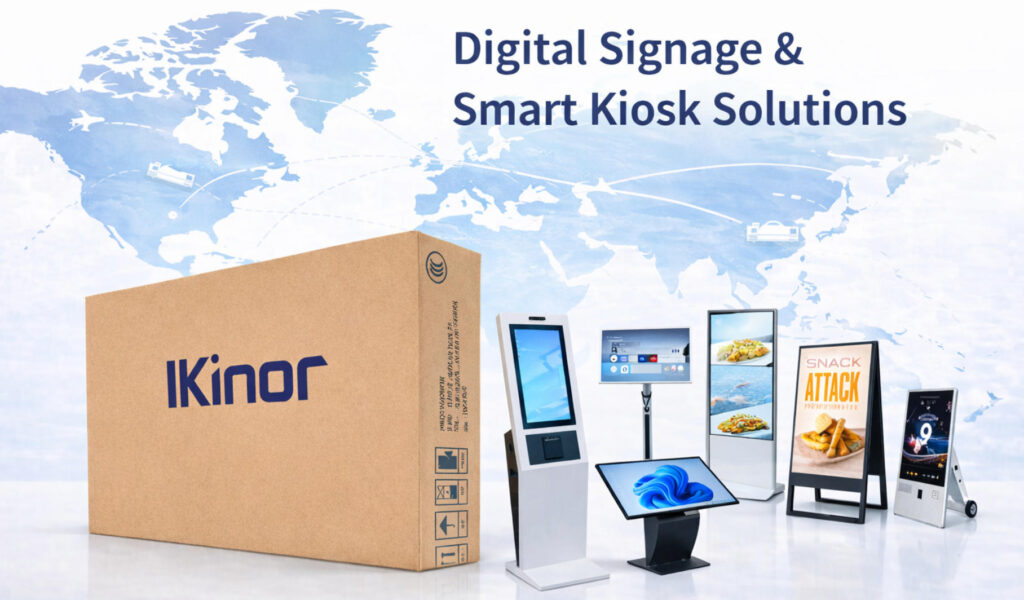
As the digital signage market continues to expand, more AV integrators, IT service providers, local distributors, display dealers, marketing agencies, and solution companies are looking for ways to enter this business without building everything from scratch. Becoming a digital signage reseller can be a practical path. Instead of developing a CMS platform, sourcing every hardware component, or building a full support team alone, resellers can work with software providers, partner programs, and reliable display manufacturers to serve local commercial customers.
This guide introduces 10 representative digital signage reseller and partner programs as global references. Instead of treating them as a strict ranking, it looks at what AV integrators, IT service providers, local distributors, display dealers, and solution companies can learn from these programs, how resellers can build revenue, and why reliable hardware manufacturing support still matters.
What Is a Digital Signage Reseller?
A distribuidor de señalización digital is a business partner, distributor, AV/IT integrator, or solution provider that sells digital signage products and services to commercial customers. Instead of developing its own CMS software or manufacturing every display product, a reseller usually works with software vendors, hardware suppliers, or digital signage manufacturers to deliver a complete solution to local clients.
The reseller connects technology providers with end customers such as retail chains, restaurants, hotels, schools, corporate offices, shopping malls, and public service spaces. For example, a local AV integrator may help a retail chain deploy digital signage across multiple stores. The reseller may recommend suitable commercial displays, media players, mounting options, CMS software, content update methods, and ongoing maintenance plans.
This role is important because digital signage is rarely just one product. A complete project often includes CMS software, commercial display hardware, reproductores multimedia, configuración de red, installation support, content management, y after-sales service. Many business customers do not want to coordinate software, hardware, installation, and technical support separately. A reseller helps combine these elements into one practical package.
For companies that already serve local commercial customers, becoming a digital signage reseller can be a natural way to expand their business. If you are still in the early planning stage, this guide on how to start a digital signage business can help you understand the basic steps before choosing a reseller or manufacturer partner. AV integrators, IT service providers, marketing agencies, display dealers, and local solution partners can add digital signage products to their existing services and provide more value to their clients. In this article, the following top digital signage reseller and partner programs offer useful references for understanding how global reseller models work.
Top 10 Digital Signage Resellers and Partner Programs
The following companies are representative digital signage reseller and partner programs based on publicly available information. This list is not an official ranking by revenue, market share, customer number, or global influence. Instead, it is designed to help potential resellers, AV/IT integrators, local distributors, signage solution providers, and commercial display dealers understand what kinds of support, services, and partner resources are commonly available in the digital signage industry.
Before reviewing the list, it is worth noting that “digital signage reseller” can refer to different types of partner opportunities. Some companies focus on CMS resale, some support white-label or branded service packages, while others work with distributors, integrators, and enterprise partners on larger projects. For potential resellers, the more important question is not only what type of program it is, but whether the partner can help you sell, deploy, support, and scale digital signage projects in your local market.
What Partners Can Learn from These Digital Signage Programs
After reviewing different digital signage reseller and partner programs, one important point becomes clear: a strong program is not only about giving partners access to software. For resellers, the real value comes from whether the program can help them sell, deploy, support, and scale digital signage projects in their local market.
A strong digital signage reseller program usually includes the following elements:
1. Clear Partner Onboarding
A good reseller program should help new partners understand the product quickly. Many AV integrators, IT service providers, marketing agencies, and display dealers already have local customer resources, but they may not be familiar with digital signage CMS platforms.
Useful onboarding support may include:
- Product guides
- Training materials
- Demo accounts
- Setup tutorials
- Sales introduction documents
- Partner onboarding calls
This helps resellers reduce the learning curve and explain the solution more confidently to local customers.
2. CMS Access and Multi-Client Management
Digital signage resellers often manage more than one customer. A reseller may serve restaurants, retail stores, schools, hotels, corporate offices, or public spaces at the same time.
A strong program should support:
- Multi-client account management
- User role control
- Remote content updates
- Screen grouping
- License management
- Separate customer workspaces
These functions help resellers manage projects more efficiently instead of handling every screen manually.
3. Sales and Marketing Support
Resellers need more than technical features. They also need materials that help them sell the solution to local customers.
Sales support may include:
- Product brochures
- Use case examples
- Demo content
- Sales presentations
- Industry application materials
- Proposal support
This is especially helpful when customers do not fully understand digital signage, CMS, content scheduling, remote display management, or hardware integration.
4. Technical Support and Training
Digital signage projects often involve software setup, hardware compatibility, media playback, network configuration, installation, and troubleshooting. If the reseller cannot get timely technical support, the final customer experience may suffer.
A strong reseller program should provide:
- Technical documentation
- Partner training
- Troubleshooting support
- Platform update guidance
- Hardware compatibility guidance
- Response channels for urgent issues
Reliable technical support helps resellers protect their local customer relationships.
5. Brand Flexibility
Different partners may need different levels of brand visibility. Some resellers are comfortable selling a digital signage platform under the vendor’s brand, especially when they are just starting. Others may want co-branded materials, local service packaging, or a more flexible customer-facing presentation as their business grows.
For a reseller, brand flexibility does not always mean building a fully white-label platform. In many cases, it simply means being able to present the solution in a way that fits the reseller’s local market, service model, and customer relationship.
Useful brand support may include:
- Co-branded sales materials
- Flexible proposal templates
- Partner-friendly product documents
- Local service package support
- Customer-facing presentation options
This helps resellers build trust with local customers without taking on unnecessary platform development or support responsibility too early.
6. Hardware Compatibility and Project Delivery Support
Even if a reseller program is software-led, real commercial projects still depend on stable hardware. Screens, media players, mounts, Android systems, outdoor enclosures, brightness, and network setup all affect the final result.
A strong program should either provide hardware guidance or allow smooth cooperation with reliable digital signage manufacturers.
Resellers should pay attention to:
- Supported display types
- Media player compatibility
- Android system support
- Outdoor display requirements
- Mounting and installation needs
- Long-term hardware stability
In short, a strong digital signage reseller program should help partners reduce learning costs, improve customer communication, manage projects efficiently, and build long-term service capability.
How Digital Signage Resellers Make Money
Digital signage resellers can build revenue from multiple sources. This is why the business model is attractive to AV integrators, IT service providers, marketing agencies, local distributors, and commercial display dealers. Instead of relying on a single product sale, resellers can combine hardware, software, installation, content service, and long-term support into one business package.
1. Hardware Sales Margin
Hardware is often the first revenue source for digital signage resellers. Resellers can sell:
- Expositores comerciales
- Android digital signage screens
- Wall-mounted displays
- Floor-standing displays
- Señalización digital exterior
- Media players
- Mounts and brackets
- Kiosks or touch displays
Many commercial customers prefer to buy a complete hardware package from one trusted service provider instead of sourcing each component separately.
2. CMS Subscription Revenue
Most digital signage systems need a CMS platform for remote content management. Resellers can earn from CMS subscriptions by selling licenses directly or bundling them into service packages.
CMS services may include:
- Remote content updates
- Playlist scheduling
- Multi-screen control
- User permission management
- Media playback management
- Account management
This creates recurring revenue instead of relying only on one-time hardware sales.
3. Installation and Setup Fees
Many business customers need help with deployment. Resellers with AV or IT capabilities can charge for installation and setup services.
These services may include:
- Site inspection
- Screen placement planning
- Wall mounting
- Cabling
- Media player setup
- Network configuration
- CMS connection
- System testing
Installation service can be especially valuable for multi-location projects, retail stores, restaurants, hotels, schools, and corporate offices.
4. Content Design and Update Services
Not every customer has an internal design or marketing team. Resellers can provide content services as an additional revenue stream.
Content services may include:
- Digital menu board design
- Retail promotion layouts
- Hotel information screens
- School announcement templates
- Corporate communication content
- Wayfinding content
- Regular content updates
This service is useful because digital signage only creates value when the screen content is clear, updated, and relevant.
5. Managed Services and Maintenance Contracts
After installation, customers often need ongoing support. Resellers can offer managed service or maintenance packages on a monthly or yearly basis.
These packages may include:
- Remote monitoring
- Troubleshooting
- Software account management
- Content scheduling
- Capacitación del personal
- Periodic system checks
- Basic technical support
- Screen replacement coordination
This helps resellers build more stable long-term revenue.
6. Project Expansion and Replacement Orders
Digital signage projects often grow over time. A customer may start with a few screens and later expand to more stores, branches, departments, or locations.
Resellers can earn from:
- Additional screen orders
- New location rollouts
- Actualizaciones de hardware
- Replacement displays
- New CMS licenses
- System expansion
- New content packages
This is why long-term customer relationships are important. A reliable reseller may continue receiving orders after the first project is completed.
7. Consulting and Solution Planning
Some customers know they need digital signage but do not know how to plan the project. Resellers can provide consulting as part of the sales or service process.
Consulting may include:
- Screen size recommendations
- Installation scenario planning
- CMS selection
- Hardware configuration
- Content workflow planning
- Budget structure advice
- Rollout planning for multiple locations
For more complex projects, consulting can help resellers show professional value before the customer makes a purchase decision.
Overall, the strongest reseller business model is not a one-time screen sale. It combines product supply, software access, installation service, content support, and long-term customer management.
Why Digital Signage Resellers Need Reliable Manufacturers
However, a reseller business cannot depend on software alone. In real commercial projects, the display is usually the most visible part of the solution. If the screen has poor brightness, unstable Android performance, weak heat dissipation, limited mounting options, or a short service life, the end customer will usually blame the local reseller, not the software provider or the factory behind the product.
Reliable manufacturers can support resellers in several important ways. They can provide different screen sizes, wall-mounted displays, floor-standing displays, Android digital signage, interactive displays, outdoor display options, and project-based hardware suggestions. For special projects, a manufacturer may also support OEM/ODM customization, interface configuration, enclosure design, branding requirements, or product specification adjustments.
Hardware consistency is also important for multi-location projects. A restaurant chain, retail group, hotel brand, or school network may need the same screen size, system configuration, and appearance across many locations. A stable manufacturer can help resellers maintain consistent product supply and reduce compatibility issues.
Outdoor and semi-outdoor projects create even higher hardware requirements. Brightness, weather protection, cooling design, enclosure structure, and long-term stability all affect project performance. Resellers that serve shopping malls, transportation spaces, storefront advertising, or public information displays need to consider these factors before offering a solution.
For partners comparing hardware sources, this guide to digital signage manufacturers can help you better understand factory capabilities, production standards, and supplier selection factors.
What Ikinor Can Offer to Digital Signage Resellers
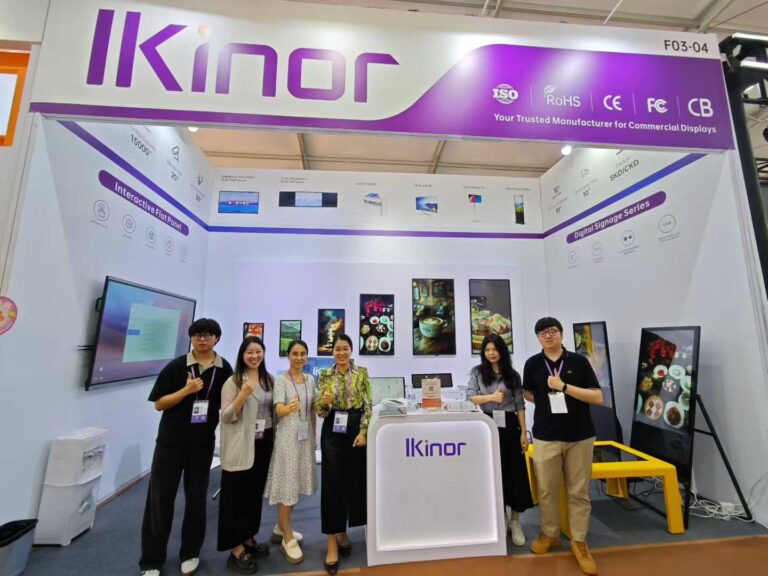
Ikinor supports digital signage resellers with commercial display hardware and project-based solutions, helping partners deliver complete signage projects for local business customers. This includes wall-mounted displays, floor-standing displays, interactive displays, Android signage screens, and outdoor-ready solutions.
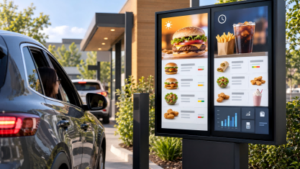
These products are commonly used in retail stores, restaurants, hotels, corporate environments, education, and public signage projects. Different scenarios require different hardware configurations, such as high-brightness displays for retail, stable Android menu boards for restaurants, and durable outdoor solutions for public environments.
To support project delivery, Ikinor also provides product catalogs, technical specifications, and project recommendations, helping resellers prepare quotations and communicate more effectively with clients.
For partners with special requirements, OEM/ODM customization is available, including branding, system configuration, interface adjustments, and enclosure design.
If you are looking for a reliable digital signage manufacturer to support your reseller business, you can contact Ikinor to discuss cooperation or project requirements.
Conclusion: Build Your Digital Signage Reseller Business with the Right Partner
The top digital signage reseller and partner programs show that this business is not limited to selling screens or software licenses. A stronger reseller business usually combines CMS access, hardware supply, installation, content service, customer support, and recurring revenue. For AV integrators, IT providers, local distributors, and display dealers, digital signage can become a practical extension of existing commercial services.
At the same time, software partnerships are only one part of the business. Long-term project success also depends on stable display hardware, customization ability, project delivery support, and reliable manufacturing supply. For partners that want to build or expand a digital signage reseller business, Ikinor can support commercial display products, project-based hardware options, catalog information, sample communication, and reseller cooperation discussions.
Preguntas frecuentes
A digital signage reseller is a business partner, distributor, AV/IT integrator, or solution provider that sells digital signage products and services to commercial customers. Resellers may work with software providers, hardware suppliers, and manufacturers to provide CMS software, displays, media players, installation, content support, and after-sales service.
AV integrators, IT service providers, MSPs, marketing agencies, local distributors, signage companies, commercial display dealers, and solution providers can become digital signage resellers. Companies that already serve restaurants, retail stores, hotels, schools, offices, or public spaces often have a strong starting point because they already understand local customer needs.
Digital signage resellers can earn revenue from hardware sales, CMS subscriptions, installation services, content design, managed services, maintenance contracts, technical support, upgrade projects, and replacement orders. The strongest reseller business models usually combine one-time project revenue with recurring service income.
Not always. Many resellers start by partnering with an existing CMS provider or joining a reseller program. This allows them to sell digital signage software without developing their own platform. However, partners that want stronger brand control may choose a white-label CMS model or combine third-party software with their own service package.
In many cases, resellers need both. Software providers support CMS, remote content management, user accounts, scheduling, and subscription models. Manufacturers support display hardware, screen sizes, Android system configuration, customization, and supply stability. A complete reseller business often depends on both software capability and reliable hardware sourcing.
Resellers can sell commercial displays, Android digital signage screens, wall-mounted displays, floor-standing displays, interactive displays, outdoor signage, media players, mounting accessories, CMS subscriptions, content templates, installation service, and maintenance packages. The product mix depends on the reseller’s target market and customer type.
Start by identifying your target customers and service strengths. For example, you may focus on restaurants, retail stores, hotels, schools, corporate offices, or public spaces. Then choose whether you need a CMS reseller program, white-label software, hardware manufacturer support, or a combined solution. Prepare product catalogs, service packages, installation resources, and support processes before approaching customers.