In an era where display technology continues to evolve at an unprecedented pace, immersive experiences have become a key driver of modern customer engagement. From high-resolution screens to interactive and AI-powered content, businesses are no longer limited to static displays. Today, immersive interactive digital signage is transforming how brands communicate with their audiences—making interactions more dynamic, personalized, and memorable. In this article, we will guide you through everything you need to know about immersive digital signage, including its core technologies, real-world applications, and how it enhances customer engagement across industries. By the end, you’ll have a clearer understanding of how this technology can elevate your business experience.
What Is Immersive Interactive Digital Signage?
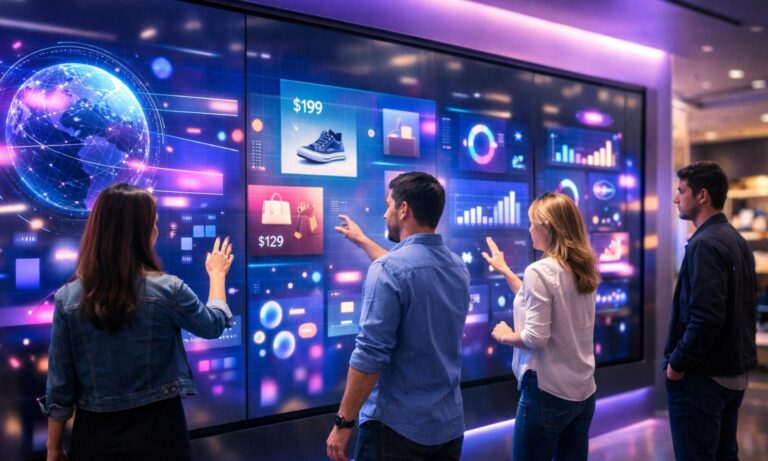
Immersive interactive digital signage refers to a new generation of display technology that transforms passive viewing into active, engaging experiences. Unlike traditional digital signage—which primarily delivers one-way content such as advertisements or announcements—immersive and interactive systems invite users to participate, explore, and respond in real time.
At its core, “interactive” signage focuses on user input. This includes touchscreens, gesture controls, or mobile integration that allow users to navigate menus, access information, or complete actions such as ordering or checking in. In contrast, “immersive” signage goes a step further by creating a surrounding, sensory-rich environment. It often combines large-scale displays, dynamic visuals, spatial audio, and contextual content to make users feel fully engaged within the experience, rather than simply observing it.
Key features define this evolution. Multi-touch technology enables multiple users to interact simultaneously, ideal for retail tables or collaborative environments. Motion sensing allows touch-free interaction, increasingly important in healthcare and public spaces. AR and AI integration enhance personalization—augmented reality overlays can visualize products, while AI can recommend content based on user behavior. Additionally, real-time content updates ensure that messaging stays relevant, adapting instantly to time, location, or audience data.
The rise of immersive interactive digital signage reflects a broader shift in commercial expectations. Modern consumers are no longer satisfied with static displays—they seek experiences. In retail, immersive displays increase dwell time and conversion rates. In hospitality and exhibitions, they create memorable brand moments. As a result, immersive engagement is rapidly becoming the new standard for businesses aiming to differentiate, capture attention, and deliver meaningful, technology-driven interactions.
Key Technologies Behind Immersive Digital Signage
Immersive digital signage is powered by a combination of advanced hardware and intelligent software, working together to deliver highly engaging, real-time experiences.
One of the foundational elements is high-resolution display technology, including 4K and increasingly 8K panels. These ultra-HD screens provide exceptional clarity, making visuals more lifelike and impactful. When combined with large-format video walls or tiled display systems, businesses can create seamless, larger-than-life environments that fully capture audience attention—ideal for retail flagships, exhibitions, and corporate lobbies.
Equally important is touch technology, which enables direct user interaction. Two mainstream solutions dominate the market: infrared (IR) touch and projected capacitive (PCAP) touch. IR touch is cost-effective and scalable for large screens, while PCAP offers higher precision, smoother response, and smartphone-like touch performance—especially valuable in premium environments.
Beyond touch, sensors and AI technologies are redefining how users engage with signage. Features like facial recognition and audience analytics allow systems to estimate age, gender, or mood, enabling dynamic content adaptation. Gesture control further enhances interaction by allowing users to navigate content without physical contact—particularly useful in healthcare or high-traffic public spaces.
Finally, the backbone of modern immersive signage is the cloud-based Content Management System (CMS). A cloud CMS allows centralized control of multiple screens across locations, enabling instant updates and scheduling. More importantly, it supports data-driven content delivery. For example, a retail brand can automatically display different promotions based on time of day, weather conditions, or real-time inventory levels—showing umbrellas on rainy days or promoting overstock items dynamically. This level of intelligence ensures that content remains relevant, personalized, and performance-driven.
Retail Applications: Boosting Engagement and In-Store Sales
Modern retail applications have redefined brick-and-mortar shopping by merging digital convenience with physical experiences, directly strengthening customer engagement and lifting in-store sales. Key interactive product displays, such as virtual try-on tools for fashion stores and immersive product browsers for electronics retailers, eliminate traditional shopping barriers. Customers can virtually test clothing, accessories, or cosmetics in real time without changing, or explore detailed specifications, 360° views, and demo videos of gadgets in shopping malls. These features turn passive browsing into active participation, making shopping more enjoyable and reducing hesitation.
Personalized recommendation engines further enhance relevance by analyzing in-store user behavior—including browsing paths, product interactions, and past purchases. Retail apps deliver tailored suggestions on screens or mobile devices, guiding shoppers toward items they are likely to prefer. This level of customization makes customers feel valued and streamlines decision-making, especially in large shopping malls where choice overload often reduces purchases.
A major benefit is the significant increase in customer dwell time and conversion rates. Engaging digital experiences keep shoppers in stores longer, exposing them to more products and increasing purchase opportunities. Longer visits correlate with higher spending, while targeted interactions lower dropout rates. For fashion and electronics retailers, this translates to more add-on sales and fewer abandoned choices.
In summary, retail applications create seamless, interactive, and personalized journeys. By boosting engagement, extending dwell time, and refining recommendations, they bridge online and offline strengths, driving consistent growth in in-store sales and fostering long-term customer loyalty.
Hospitality & Hotel Experiences: Elevating Guest Interaction
Modern digital solutions are transforming hospitality by redefining guest interaction, streamlining operations, and crafting memorable stays. At the heart of this evolution are interactive wayfinding screens in hotel lobbies, which guide guests effortlessly to amenities, event spaces, restaurants, and nearby attractions. These intuitive displays reduce confusion, replace traditional signage, and create a sleek, modern first impression, especially in large luxury hotels and resorts.
Self-service check-in kiosks paired with dynamic welcome screens further enhance the arrival experience. Guests can quickly complete check-in, select room preferences, and access key cards independently, cutting down on front-desk waiting times. Welcome screens greet visitors by name, showcase local recommendations, and highlight hotel services, adding a personalized touch from the moment guests step inside.
Such technology also strengthens brand presentation and builds a sense of premium hospitality. Luxury hotels use interactive screens to display exclusive facilities, spa packages, and fine-dining offerings, elevating perceived value and encouraging upselling. By combining convenience with visual appeal, hotels deliver a refined, high-end experience that aligns with modern guest expectations.
Most importantly, these tools significantly improve customer satisfaction and service efficiency. Staff are freed from repetitive tasks to focus on personalized assistance, while guests enjoy greater control and speed. For example, business travelers appreciate rapid check-in, while families benefit from clear lobby navigation.
In short, interactive digital solutions turn routine hotel stays into smooth, engaging journeys. By enhancing lobby interaction, automating arrival processes, and strengthening brand identity, hotels elevate overall guest experience while optimizing operational performance.
Restaurant & Food Service: Creating Memorable Dining Experiences
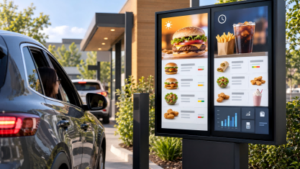
Digital innovation is reshaping casual and fine dining alike, turning meals into memorable experiences while boosting operational efficiency. Self‑order kiosks have become a staple for chains like McDonald’s and KFC, enabling guests to browse, customize orders, and receive smart upsell and combo recommendations—such as adding fries, drinks, or desserts—naturally increasing average check size without staff pressure.
Paired with vibrant digital menus and dynamic content displays, restaurants replace static paper menus with high‑definition visuals of dishes, limited-time promotions, and nutritional information. Chains like Shake Shack and Pizza Hut use these screens to highlight fresh ingredients and seasonal specials, making choices more appealing and reducing decision fatigue.
Many well-known Western restaurants also embrace immersive brand storytelling through open kitchen layouts, live ingredient displays and behind-the-scenes video content. For instance, The Cheesecake Factory showcases its baking process and premium ingredients digitally, strengthening transparency and emotional connection with diners. Such experiences elevate brand image and turn simple meals into distinctive moments.
Most importantly, these solutions drastically reduce waiting time and improve table turnover rate. By streamlining ordering and payment, restaurants serve more guests during peak hours, ease staff workload, and minimize errors. For busy urban locations and high-volume chains, faster service directly translates to higher revenue and happier customers.
In an era where experience matters as much as food, smart digital tools create smooth, engaging, and distinctive dining journeys that keep guests returning.
Why Businesses Are Investing in Immersive Signage Solutions
Across retail, hospitality, and food service, companies are increasingly investing in immersive signage solutions as a high-impact, future-proof strategy to strengthen customer connections and drive measurable business growth. One of the most compelling advantages is drastically improved customer engagement. Unlike static posters, dynamic and interactive displays capture attention instantly, encourage active interaction, and transform passive visitors into involved participants, creating memorable brand moments that stand out in crowded markets.
These solutions directly boost sales conversion and average order value by delivering targeted promotions, combo suggestions, and visually appealing product content at the point of decision. Whether in retail, restaurants, or hotels, strategically placed immersive signage guides customer choices, stimulates impulse purchases, and effectively increases spending per visit.
Another key benefit is data collection and user behavior analysis. Modern immersive signage captures real-time insights—such as interaction frequency, popular content, and customer navigation patterns—allowing businesses to refine marketing, optimize layouts, and tailor experiences based on actual user habits.
Furthermore, immersive signage offers strong scalability for multi-location deployment. Chains and franchises can centrally manage, update, and synchronize content across hundreds of sites efficiently, ensuring consistent branding while reducing printing and labor costs.
From improved engagement to actionable data and scalable performance, immersive signage delivers long-term value beyond traditional advertising. It is not merely an expense but a strategic investment that elevates customer experience, enhances operational efficiency, and supports sustainable revenue growth.
Looking for immersive interactive digital signage solutions? Ikinor provides professional, customizable immersive display systems to help your business unlock higher engagement, better conversions, and lasting brand value.
FAQs
1. What is immersive interactive digital signage?
Immersive interactive digital signage is a display system that combines dynamic digital content with user interaction, such as touch, motion, QR codes, or sensors, to create a more engaging experience than static signage. It is designed to draw attention, encourage participation, and make brand messaging more memorable.
2. How does it transform customer engagement?
It transforms engagement by turning passive viewers into active participants, which increases attention, interaction time, and recall. Businesses can use it to create personalized, responsive experiences that feel more relevant to each customer.
3. What are the main benefits for businesses?
The main benefits include stronger customer engagement, better brand perception, real-time communication, and more opportunities to influence purchase decisions. Interactive signage can also support data collection and insight into customer preferences, helping businesses refine messaging and offers.
4. What types of interactions can it support?
Interactive digital signage can support touchscreens, gesture control, proximity sensors, QR codes, NFC, mobile handoff, and even voice or app-based interactions depending on the setup. These interaction methods allow customers to browse products, access information, explore maps, or engage with promotional content in a more intuitive way.
5. Where is immersive interactive digital signage most effective?
It is especially effective in retail, hospitality, healthcare, corporate lobbies, restaurants, museums, and public venues where customer attention and information flow matter. In these environments, it can improve wayfinding, support product discovery, and create more memorable brand experiences.
6. What should businesses consider before implementing it?
Businesses should consider screen placement, content strategy, interaction design, technical reliability, and how the display will connect with other systems such as inventory, CRM, or mobile experiences. Clear calls to action and intuitive design are important so customers immediately understand how to interact with the display.