Outdoor kiosks typically cost more than indoor self-service terminals—but many buyers don’t fully understand why. At first glance, they may look similar, yet outdoor environments introduce a completely different set of requirements. From sunlight visibility and weather resistance to temperature control and vandal protection, every added feature directly increases cost. In this article, we break down the real reasons behind outdoor kiosk pricing, helping you clearly understand where your budget goes. You’ll learn how different application scenarios affect configuration, what hardware features are truly essential, and how to avoid overpaying. Whether you’re planning a gas station, retail, or smart city project, this guide will help you make smarter, more cost-effective decisions.
Where Are Outdoor Kiosks Used? Key Application Scenarios
Outdoor kiosks are widely used across industries where durability, visibility, and 24/7 accessibility are essential. Understanding where they are deployed helps buyers determine the right configuration—and ultimately, the right budget.
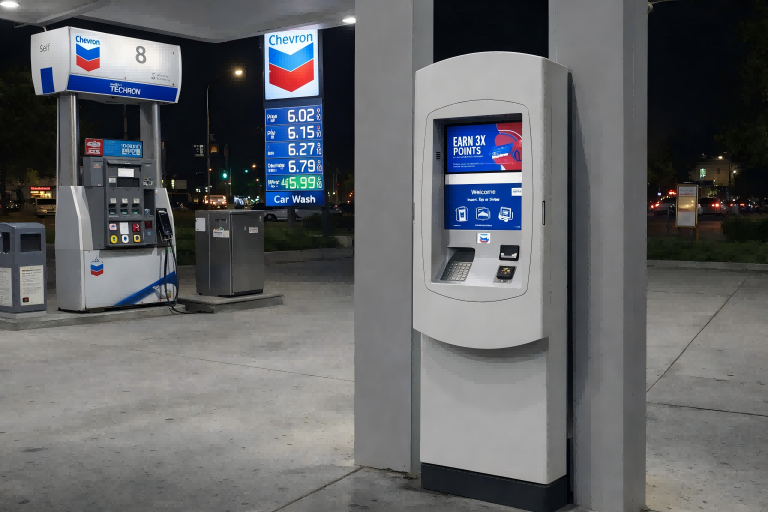
At gas stations, outdoor kiosks function as self-service payment terminals, allowing customers to pay, access loyalty programs, and complete transactions at any time. These systems must be highly secure and reliable, often requiring integrated payment modules and weather-resistant enclosures.
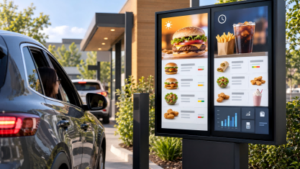
In retail and shopping malls, especially at entrances or outdoor areas, kiosks are commonly used for wayfinding, promotions, and advertising displays. Bright screens and responsive touch systems are key to attracting attention and guiding customers effectively.
For transportation hubs such as bus stops and subway entrances, kiosks provide ticketing services, route planning, and real-time updates. These environments demand stable connectivity and fast response times to handle high user traffic.
In smart city and public service applications, kiosks support bill payments, public announcements, and information access. These systems often integrate with government platforms and require long-term reliability and security.
Meanwhile, in tourism and scenic areas, outdoor kiosks enhance visitor experiences by offering navigation, ticket purchasing, and multilingual information.
Each application scenario leads to different hardware and software requirements—directly impacting the overall cost. Choosing the right configuration starts with clearly defining your use case.
Core Hardware Requirements for Outdoor Kiosks (Must-Have Features)
Outdoor kiosks are built to withstand harsh environmental conditions, which makes their hardware significantly more advanced—and costly—than indoor alternatives. These are not optional upgrades, but essential features that ensure stable performance.
A high brightness display, typically ranging from 1000 to 3000 nits, is crucial for visibility under direct sunlight. Standard indoor screens simply cannot perform in outdoor lighting conditions, making this one of the biggest cost drivers.
A weatherproof design, usually rated IP65 or IP66, protects the kiosk from rain, dust, and corrosion. This involves sealed enclosures, waterproof interfaces, and durable coatings, ensuring long-term operation in outdoor environments.
To handle temperature extremes, kiosks require a temperature control system, such as cooling fans, air conditioning units, or heating modules. These systems allow devices to operate reliably in conditions ranging from -20°C to 50°C. Because outdoor environments place higher demands on power, network stability, installation structure, maintenance access, and long-term monitoring, buyers should also review this kiosk deployment guide before finalizing the hardware configuration.
Security is equally important. A strong anti-vandal structure, including reinforced steel housing and tempered or laminated glass, protects against physical damage in public spaces.
Finally, stable power systems and surge protection are essential to prevent damage from voltage fluctuations or extreme weather conditions.
These hardware requirements are the core reason why outdoor kiosks cost more—they are engineered not just for function, but for durability and safety.
Outdoor Kiosk Cost Breakdown: What Drives the Price Up?
The cost of an outdoor kiosk is influenced by several key components, each contributing to the overall price depending on performance requirements and application scenarios.
The display is often the most expensive component, especially when high brightness and anti-glare technology are required. Outdoor panels can account for a significant portion of the total cost due to their specialized design.
Next is the enclosure and protection system. Higher IP ratings (IP65/IP66) require better sealing, stronger materials, and more complex manufacturing processes, all of which increase costs.
Functional modules such as payment systems (NFC, QR, POS), barcode scanners, printers, and cameras also add to the price. The more functions integrated, the higher the cost.
The industrial PC or control system plays a key role in performance and stability. More powerful processors and reliable hardware are needed for demanding applications, especially in high-traffic environments.
Finally, customization and branding, including unique designs, colors, logos, and structural modifications, can further increase costs depending on project requirements.
If you want a more detailed breakdown of pricing and real-world budget examples, we’ve also created a dedicated guide: “How Much Does a Kiosk Cost? Full Pricing Guide for Businesses”, where we explain cost structures, typical price ranges, and how to optimize your budget for maximum ROI.
Typical price ranges:
- Basic outdoor kiosk: $2,000 – $4,000
- Mid to high-end kiosk: $6,000 – $10,000+
At Ikinor, we help clients balance these factors by recommending configurations that match real-world needs—avoiding unnecessary costs while ensuring long-term reliability.
Case Study: Gas Station Digital Kiosk for 24/7 Self-Service
A typical example of outdoor kiosk deployment can be seen in modern gas stations, where businesses are shifting toward fully automated, 24/7 self-service operations.
In this scenario, a gas station digital kiosk is installed to handle payments, membership services, and transaction processing without staff involvement. The kiosk must operate reliably in all weather conditions and at all hours.
To achieve this, the system is equipped with a high brightness display for clear visibility during the day, along with anti-vandal glass to protect against damage. Integrated payment modules, including NFC, QR code, and POS systems, allow for flexible and secure transactions.
A robust temperature control system ensures stable operation in both extreme heat and cold, maintaining performance throughout the year.
The results are significant. Gas stations can reduce labor costs, especially during night shifts, while improving operational efficiency. Customers benefit from faster transactions and shorter waiting times, leading to a better overall experience.
This case highlights how the right configuration directly impacts both performance and return on investment.
Budget Tips: How to Optimize Outdoor Kiosk Investment
When investing in outdoor kiosks, the goal is not simply to reduce costs, but to achieve the best balance between performance and budget. Smart planning can help avoid unnecessary expenses while maintaining reliability.
First, choose the appropriate IP rating based on your environment. Not every project requires IP66; in some cases, IP65 is sufficient and more cost-effective.
Second, consider whether you truly need an air conditioning system. In moderate climates, a well-designed fan cooling system may be enough, significantly reducing both upfront and maintenance costs.
Third, configure functional modules based on actual needs. Features like printers, payment systems, or cameras are valuable, but not always necessary for every application.
Bulk deployment is another effective strategy. Ordering multiple units can reduce the cost per unit and improve overall project ROI.
Finally, work with a manufacturer that supports OEM/ODM customization, like Ikinor. This allows you to tailor the kiosk to your exact requirements without overpaying for unnecessary features.
By focusing on real usage scenarios and avoiding over-configuration, businesses can maximize the value of their outdoor kiosk investment while keeping costs under control.
FAQs
Outdoor kiosks usually range from $2,000 to $4,000+, depending on configuration. Basic models with standard features are more affordable, while high-end systems with outdoor-rated displays, payment modules, and temperature control can exceed $10,000.
The biggest cost drivers are enclosure quality, weatherproofing, hardware components, software, installation, and customization. Features like cooling systems, high-brightness displays, and payment integration can also raise the total price.
Outdoor kiosks require high brightness screens, weatherproof enclosures (IP65/IP66), temperature control systems, and anti-vandal structures. These features are essential for durability and significantly increase manufacturing costs compared to indoor units.
You can optimize your budget by:
Selecting only necessary modules (payment, printer, etc.)
Avoiding over-specification (e.g., unnecessary IP66 or AC systems)
Ordering in bulk
Working with an experienced OEM/ODM manufacturer like Ikinor for tailored solutions