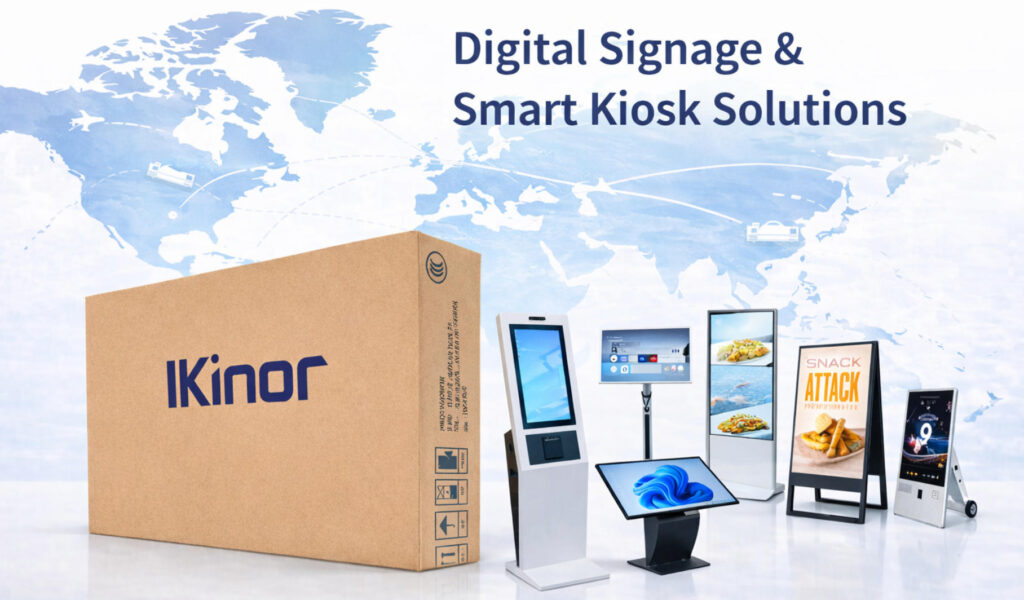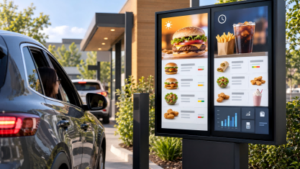

With competition intensifying, digital signage is no longer limited to large enterprises but is increasingly recognized as a practical and scalable marketing tool for small businesses in the Philippines. Small restaurants, cafés, and retail shops in urban areas like Metro Manila and Cebu are adopting wall-mounted displays, digital menu boards, and portable screens to replace static posters and paper menus, improving visibility, brand presentation, and in-store communication.
These tools enable real-time content updates, highlight limited-time offers, and dynamically promote products while enhancing customer engagement. The Philippines digital signage market was valued at approximately USD 137.1 million in 2025 and is projected to grow steadily in the coming years, reflecting the rising adoption among small businesses seeking cost-effective, flexible, and measurable marketing solutions.
Why Is Digital Signage Essential for Small Businesses Today?
Although digital signage has been widely adopted, many small businesses still do not fully understand its benefits and struggle to determine whether investing in digital signage is worthwhile. For small restaurants, cafés, and retail shops, digital signage provides dynamic, visually engaging content that enhances the customer experience. Research shows that digital signage can increase customer dwell time by up to 47% compared with static signage and can boost recall of displayed information by 35–65%. These effects help customers make decisions faster and improve satisfaction.
Marketing effectiveness is another key advantage. Digital signage allows businesses to display promotions, combo meals, or limited-time offers in real time with high‑resolution visuals that outperform static posters or printed menus. A recent industry report found that over 80% of viewers notice digital signage content, and more than 50% said it influenced their purchase decisions. This enables small businesses to highlight high‑margin items, adjust messaging based on customer behavior, and improve conversion rates across different locations.
Digital signage also reduces reliance on staff for repetitive explanations of menu items or promotions. By automating content updates, employees can focus on higher‑value tasks, while businesses maintain consistent messaging and quality service even during peak hours.
Small businesses can also explore monetization opportunities through third‑party advertising or partnerships with local brands. Wall‑mounted displays, portable digital signage, and interactive kiosks can host sponsored content, generating additional revenue without compromising the customer experience.
Overall, digital signage is no longer a luxury but an essential investment for small businesses. It enhances experience, strengthens marketing, reduces operational strain, and opens new revenue streams in competitive markets.
How Restaurants Can Leverage Digital Signage to Boost Marketing Performance
Many restaurant operators are interested in digital signage, but they often do not know exactly what impact it can bring. Let’s explore through concrete examples.
At Café Tropico, located at Unit 12, Greenbelt 3, Makati City, the restaurant installed Digital Menu Boards above the counter and a Self-Ordering Kiosk at the entrance. By dynamically displaying combo meals, limited-time offers, and high-margin items during peak hours, Café Tropico reported a 25% increase in average order value and a 15% improvement in table turnover during lunch and dinner peaks within just three months of implementation.
A similar pattern was observed in a fried chicken and burger restaurant in Quezon City, where digital menu boards and kiosks increased average order value by around 10% and reduced peak-hour waiting time. This highlights how even mid-sized fast-food outlets can achieve measurable improvements through digital signage adoption.
The digital menu boards allowed customers to browse products more intuitively, overcoming the limitations of traditional printed menus. Content could be updated in real-time to highlight promotions or adjust recommendations based on inventory and peak traffic, effectively increasing conversion rates.
The self-ordering kiosk, combined with on-screen guidance, enabled customers to customize orders and complete payment independently while encouraging add-ons and combos. This not only alleviated queueing pressure but also reduced staff workload at the counter, improving overall operational efficiency.
Another example is Bites & Beans, a coffee and light-meal shop at SM City Cebu, Cebu City. After implementing wall-mounted digital signage in 2025, the store saw a 20% increase in promotional engagement and a measurable reduction in order errors.
These examples demonstrate that even small and medium-sized restaurants in the Philippines can leverage digital signage to improve marketing performance. By combining dynamic content, interactive ordering, and real-time updates, restaurants can increase upsell rates, reduce queue-related losses, and deliver a smoother customer experience, making digital signage a practical and measurable investment for operational efficiency and sales growth.
What Budget Should Small Businesses Allocate for Digital Signage?
After understanding the potential benefits of Digital Signage, many small business owners are eager to invest. However, it is essential to determine a realistic budget beforehand to ensure a good return on investment, especially in the Philippines, where small businesses need cost-effective and scalable solutions.
Hardware is the largest cost component. A 32-inch display costs approximately PHP 45,100, a 43-inch display around PHP 67,800, and a 55-inch display about PHP 79,000, depending on the store’s size, traffic, and intended usage. Beyond the screens, the budget must include CMS software subscriptions for content management and remote updates, as well as installation fees and initial content creation such as menu design, promotional materials, and staff training.
To minimize risk, small businesses can adopt a phased investment strategy. Begin with a pilot deployment at a single or high-traffic location to evaluate the impact of digital signage on customer experience, upsell rates, and operational efficiency. Data collected during the pilot phase can be used to refine content strategy, screen placement, scheduling, and interactive features, providing a solid foundation for scaling to multiple locations while keeping costs manageable.
By allocating resources effectively across hardware, software, and installation, small businesses can usually maintain an initial budget within USD 3,000–5,000 (approximately PHP 170,000–280,000). This budget allows businesses to implement a functional digital signage solution, optimize marketing performance, and measure real ROI. With careful planning, small enterprises can achieve a balance between investment and operational benefits, creating long-term value and supporting future growth.
Which Digital Signage Products Are Best Suited for Small Businesses?
Once the budget is determined, small businesses can begin evaluating which types of Digital Signage best suit their needs. The challenge is to select the right devices for specific scenarios while maximizing marketing impact and staying within budget.
Portable Digital Signage offers high flexibility, making it ideal for temporary events, seasonal promotions, or entrance traffic guidance. These units are lightweight, mobile, and easy to install, allowing businesses to adjust content quickly without disrupting daily operations. They are particularly useful for pop-up campaigns or testing new marketing messages in high-traffic areas.
Portable Smart TVs serve as low-cost solutions for pilot testing or content experimentation. Businesses can use them to trial new promotional campaigns, display interactive content, or gather engagement data before investing in permanent displays. This reduces risk and allows for fine-tuning marketing strategies based on customer responses.
Digital Sandwich Boards are best for entrances, sidewalks, or high-traffic zones. With bright visuals and customizable messaging, they capture attention, attract passersby, and encourage first-time visits. Before choosing one for a storefront or sidewalk, businesses should compare digital sandwich board size based on viewing distance, foot traffic clearance, message density, and local placement rules. Meanwhile, Wall Mounted Digital Signage works best for stable in-store displays, delivering continuous content that improves customer experience, highlights dynamic menus, and drives upsells or combo promotions.
Small businesses should consider store layout, customer flow, and budget when selecting devices. For example, a small café might position a Digital Sandwich Board at the entrance, install a Wall Mounted Digital Signage inside to showcase menus and promotions, and deploy Portable Digital Signage or Smart TVs during temporary campaigns. A strategic combination ensures maximum marketing reach, higher customer engagement, and flexible deployment, all within a manageable budget. Careful planning guarantees measurable operational and marketing benefits across multiple scenarios.
What Key Factors Should Small Businesses Consider When Choosing Digital Signage?
To ensure they select the right Digital Signage, small businesses need to carefully evaluate several key factors that guarantee long-term usability, marketing impact, and cost efficiency. A primary consideration is the Content Management System (CMS). For small businesses, the CMS should support remote updates, intuitive interfaces, and easy scheduling, allowing staff to manage menus, promotions, or advertisements efficiently without technical expertise. This flexibility not only improves operational efficiency but also enables businesses to respond quickly to market trends and seasonal campaigns.
Even with an effective CMS, reliable after-sales support and maintenance are critical. Providers offering both remote and on-site support, proactive system monitoring, and rapid troubleshooting allow small businesses to operate continuously, even without dedicated IT personnel. This reduces downtime, prevents revenue loss, and maintains a professional customer experience.
Another important factor is installation complexity and cost. Digital signage that requires minimal setup, can be repositioned, or expanded over time is more practical for small teams. Considering these aspects ensures that businesses can adapt to different store layouts, accommodate new locations, and deploy signage in high-traffic areas without incurring excessive installation or labor costs.
Finally, system stability and peak-hour performance are essential for maintaining consistent operation. Hardware and software must be robust enough to handle high customer volumes and avoid failures that could negatively affect sales or customer satisfaction. By carefully assessing CMS functionality, support structures, installation requirements, and system reliability, small businesses can select digital signage solutions that maximize marketing effectiveness, streamline daily operations, and ensure measurable, long-term ROI.
How Can Small Businesses Choose the Right Digital Signage Solution Provider?
As small businesses increasingly look to adopt Digital Signage, many face the challenge of identifying a solution provider that aligns with both their current needs and future growth. Equally important is evaluating whether the provider has real-world experience with small businesses or restaurants. Providers with relevant case studies demonstrate that their solutions can perform effectively in environments with limited staff, variable budgets, and high customer traffic.
Another critical factor is whether the provider offers a fully integrated solution, combining hardware, software, and content management. Such a package simplifies installation, reduces compatibility issues, and ensures smooth content updates, enabling small teams to focus on operations rather than technical troubleshooting.
For businesses aiming to expand across multiple locations, it is essential to select a provider that supports scalable deployments. Centralized CMS management, standardized hardware options, and multi-site content scheduling ensure consistent branding and operational efficiency without adding excessive overhead.
Pricing models should also be carefully considered. Providers may offer one-time purchase, subscription, or rental options, and businesses need to balance upfront investment with ongoing costs and flexibility. Additionally, providers that support basic advertising or monetization features allow small businesses to generate extra revenue or offset operational expenses.
Finally, perhaps most importantly, the choice of Digital Signage Solution Provider itself cannot be overlooked. By thoroughly assessing experience, integrated capabilities, scalability, pricing, and monetization support, small businesses can confidently select a provider that not only meets immediate needs but also supports long-term growth and marketing performance.
How Can Small Businesses Choose the Right Digital Signage Solution Provider?
As small businesses increasingly adopt Digital Signage, selecting the right solution provider becomes a crucial decision that can determine both operational efficiency and long-term ROI. One of the first considerations is whether the provider has experience with small businesses or restaurants. Providers with relevant case studies demonstrate that their solutions can address the unique challenges of smaller operations, such as limited staff, tighter budgets, and high customer turnover.
Equally important is whether the provider offers a fully integrated solution, combining hardware, software, and content management. Integrated offerings reduce installation complexity, ensure system compatibility, and allow small teams to update menus, promotions, or advertisements efficiently without requiring technical expertise.
Scalability is another key factor. Businesses planning to expand to multiple locations should choose providers that support centralized CMS management, multi-site content scheduling, and standardized hardware deployment. This ensures consistent branding, efficient operations, and easier expansion across new stores.
Pricing models also matter. Providers may offer one-time purchases, subscriptions, or rental plans, and small businesses should select an approach that balances initial investment with long-term operational costs. Additionally, evaluating whether the provider includes basic advertising and monetization support is essential, as this can allow businesses to generate extra revenue from sponsored content, third-party ads, or local promotions, offsetting part of the investment and increasing overall ROI.
Finally, and perhaps most importantly, the choice of Digital Signage Solution Provider itself cannot be overlooked. By carefully assessing experience, integrated capabilities, scalability, pricing, and monetization support, small businesses can select a partner that meets immediate operational needs while supporting long-term growth and marketing performance.
FAQs
Is digital signage worth it for small businesses with limited budgets?
Yes, even with a budget under $5,000, digital signage can significantly improve customer engagement and sales conversion.
How quickly can small businesses see ROI from digital signage?
Most businesses can see returns within 6–12 months, depending on usage and location traffic.
What is the easiest type of digital signage to deploy?
Portable smart TVs and digital sandwich boards are typically the easiest to set up with minimal installation.
Can small businesses earn money directly from digital signage?
Yes, in high-traffic areas, businesses can monetize screens by displaying third-party advertisements.
Do small businesses need a CMS for digital signage?
A CMS is highly recommended as it allows remote updates, scheduling, and efficient content management.
How many screens should a small business start with?
Most small businesses start with 1–3 screens depending on store size and customer flow.