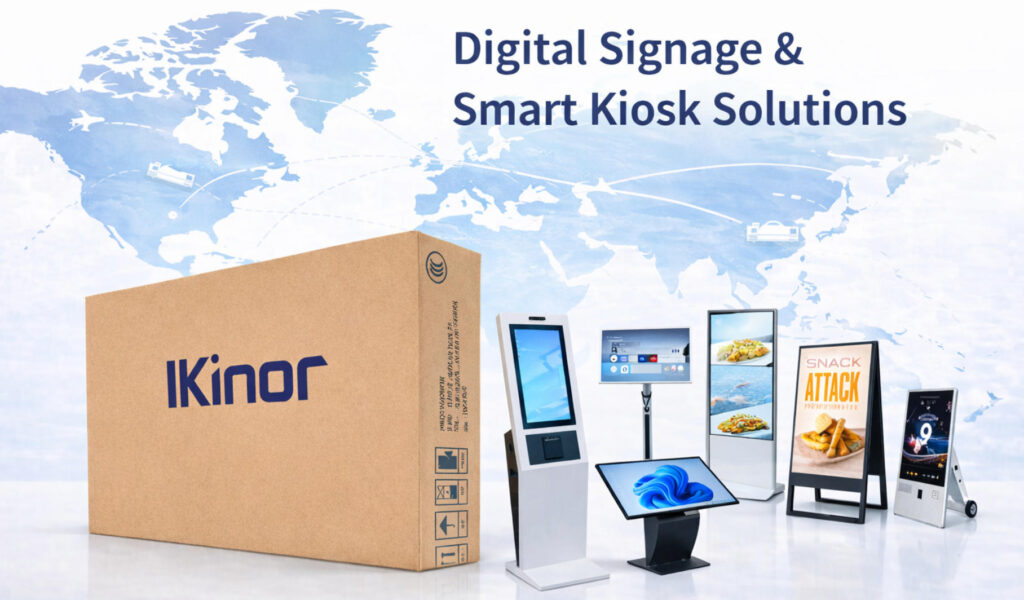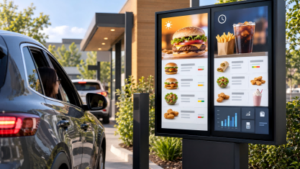
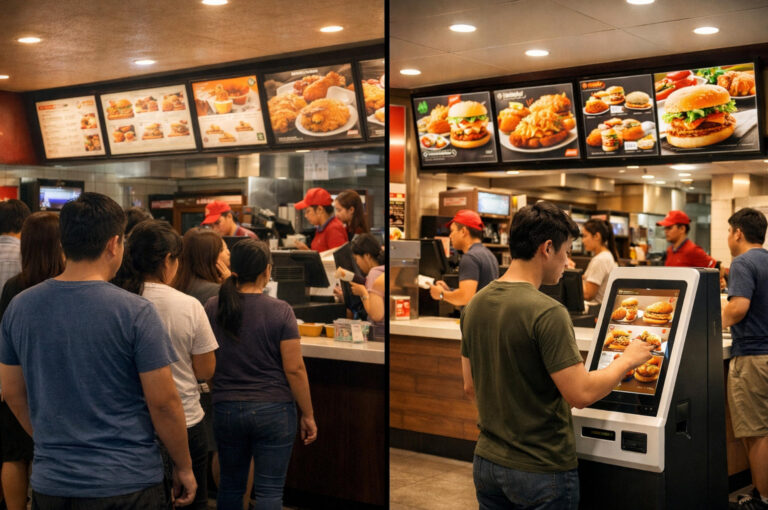
Digital signage solutions are becoming an essential tool in restaurant marketing across the Philippines, driven by the country’s rapidly expanding foodservice sector, which is projected to reach USD 36.27 billion by 2030. As competition intensifies among quick-service and casual dining brands, operators are adopting technologies such as digital menu boards and self-ordering displays to improve customer engagement and operational efficiency. The Philippines digital signage market itself reached about USD 128 million in 2024 and continues to grow steadily, reflecting wider adoption in commercial environments including restaurants. Globally, more than 80% of restaurant owners report increased orders after implementing digital signage, highlighting its direct impact on sales and upselling in modern dining environments.
What Is the Business Background of Restaurant Case?
For buyers, to achieve the expected results with Digital Signage, it is essential to first understand the context of relevant cases and analyze them against their own situation.
Taking chain quick-service restaurants (QSRs), coffee shops, and light-meal brands in the Philippines as examples, typical store sizes range from 100–150 square meters with approximately 50–70 seats, mostly located in commercial districts, shopping centers, or near high-traffic office areas. Lunch (11:30 AM–1:30 PM) and dinner (6:00 PM–8:00 PM) are peak hours, and table turnover rates directly affect daily revenue. During these periods, long queues and crowded conditions can lead to customer loss, making efficient information display, clear menu guidance, and order promotion essential for smooth operations and revenue optimization.
Before implementing digital signage, these restaurants mainly relied on traditional marketing methods, including printed menus, static lightboxes, and staff recommendations. While inexpensive, these approaches are slow to update, promotions are difficult to communicate in real time, and the quality of execution varies significantly depending on individual staff experience.
As stores expand, growth bottlenecks become increasingly evident: average transaction values remain low due to limited upsell strategies, in-store conversion rates fluctuate, peak-hour ordering efficiency is suboptimal, and labor costs account for approximately 18–22% of total operating expenses, further compressing profit margins. These operational realities indicate that restaurants of this type and scale are highly suitable candidates for Digital Signage investment, which can enhance visual merchandising, drive upselling, improve customer engagement, and ultimately increase overall marketing efficiency and operational performance.
Real Case Study: How a Philippine Fried Chicken & Burger Restaurant Boosted Sales with Digital Signage
In early 2024, the restaurant began facing a common operational challenge. Despite being situated near a busy shopping mall, the store experienced long queues during peak lunch hours (12:00–1:30 PM), while average order values remained relatively low. The store manager noticed that most customers chose basic meals and rarely upgraded to higher-margin combo options.
In June 2024, the restaurant decided to introduce a digital signage solution. They installed several 55-inch digital menu boards behind the counter, along with a self-ordering kiosk near the entrance and an electronic sandwich board outside to attract walk-in traffic. All screens were connected to a centralized content management system, allowing real-time updates for promotions and menu changes.
It is worth noting that before deployment, the management team compared solutions from local Philippine digital signage suppliers with options from Chinese manufacturers. After evaluating cost efficiency, customization flexibility, and system integration capabilities, they ultimately chose a highly customized OEM/ODM digital signage solution from China, which better aligned with their long-term expansion plans.
Within three months, clear improvements were observed. Visually engaging images and dynamic promotions made combo meals and add-ons more appealing, resulting in an increase of around 10% in average transaction value. At the same time, the self-ordering kiosk helped reduce peak-hour waiting time by approximately 15%, improving overall customer flow and reducing pressure on staff.
More importantly, customer behavior began to shift. Ordering decisions became faster, and promotional messages were delivered more consistently without relying on staff explanations.
By the end of 2024, the restaurant extended the digital signage system to additional locations in Cebu and Makati, confirming that the solution not only improved operational efficiency but also led to more stable and higher-quality sales performance.
What Are the Key Pain Points and Customer Needs Driving Digital Signage Adoption?
Dentifying the key operational challenges and pain points is essential for businesses planning to implement Digital Signage, ensuring the solution delivers maximum impact efficiently.
For chain quick-service restaurants, coffee shops, and light-meal brands in the Philippines, the most pressing business challenges often involve balancing the goal of increasing average transaction value with improving table turnover rates. Many stores experience long queues and order congestion during peak hours, making it difficult for staff to handle high volumes of orders efficiently, which can negatively affect customer experience.
Traditional printed menus and static lightboxes are also inefficient in visually promoting new items and special offers, as updates are slow and attention-grabbing is limited. Digital signage can dynamically display high-resolution images, combo meals, and limited-time promotions, enhancing visibility and driving customers toward higher-margin products or bundles.
Finally, data-driven insights are often lacking. Without digital tools, it is difficult for restaurants to monitor promotion performance, menu popularity, and customer behavior in real time. Digital signage systems typically include backend management and analytics, providing actionable insights to optimize menu layout, promotional strategy, and overall store operations.
By addressing these pain points, Digital Signage not only alleviates order congestion during peak hours but also increases transaction value, enhances promotional effectiveness, and delivers measurable marketing and operational improvements, making it a key tool for driving efficiency and revenue in the restaurant industry.
Which Digital Signage Solutions Were Deployed to Address These Needs?
In actual purchasing scenarios, buyers are often overwhelmed by the wide range of digital signage solutions available and may struggle to make the right choice. To maximize return on investment, it is crucial to select the devices that best address the restaurant’s specific operational and marketing needs.
First, Digital Menu Boards are often the top choice for fast-food chains. For example, a mid-sized Philippine fast-food brand, BiteQuick, has deployed digital menu boards and video wall systems across multiple stores, including its flagship location at 2F, SM City North EDSA, North Avenue, Quezon City, Metro Manila, and another outlet at Ayala Center Cebu, Cebu Business Park, Cebu City. By replacing traditional static boards with real-time electronic content, the brand achieved centralized updates of dynamic menus, promotions, and high-margin product displays. Within the first three months of deployment, the stores reported an estimated 8–12% increase in average transaction value, while peak-hour ordering time was reduced by approximately 15%, helping to ease queue pressure and improve overall customer flow. This not only reduced manual workload but also significantly improved promotional efficiency and customer decision-making during peak hours.
Building on this, Self-Ordering Kiosks further streamline the ordering process. Customers can browse menus, customize meals, and complete payments independently, which shortens wait times, increases order accuracy, and lowers labor costs. This solution is increasingly common in fast-food, coffee shops, and light meal brands in the Philippines, helping to alleviate congestion during peak hours.
Additionally, Electronic Sandwich Boards placed at entrances or high-traffic areas help guide foot traffic and attract passersby, forming a marketing loop from outside the street into the store when combined with in-store digital solutions.
Finally, Portable Smart TVs offer flexible content display, ideal for temporary campaigns, seasonal promotions, or low-cost pilot tests. Restaurants can quickly test new marketing ideas on portable screens before committing to permanent installations, minimizing risk.
In short, by using Digital Menu Boards to highlight promotions, Self-Ordering Kiosks to improve peak-hour ordering, Electronic Sandwich Boards to attract outside foot traffic, and Portable Smart TVs for flexible pilot campaigns, restaurants can effectively address low transaction values, fluctuating table turnover, and high labor costs, while enhancing overall marketing impact and operational efficiency.
How Can Businesses Select the Right Digital Signage Solution Provider and Manage Costs?
Facing a wide variety of digital signage solution providers, businesses can make the selection by evaluating supplier capabilities, cost control, and potential ROI. Choosing the right provider impacts not only the initial deployment but also long-term operational efficiency, customer experience, and strategic outcomes.
It is essential to assess whether the provider has proven restaurant industry case studies. Providers with experience in fast-food chains, coffee shops, or light meal outlets are familiar with high-traffic peak hours, promotion management, and operational challenges, reducing implementation risks and ensuring smoother adoption.
The ability to offer a fully integrated solution combining hardware, software, and content management is equally important. One-stop solutions streamline menu updates, promotional campaigns, and system monitoring, avoiding hidden costs from coordinating multiple vendors. Screen costs typically range from approximately 39,000 PHP for 32-inch, 50,000 PHP for 43-inch, to 78,000 PHP for 55-inch models, allowing businesses to evaluate both outright purchase and leasing or subscription options for better budget planning and cash flow control.
After-sales service and operational support must guarantee system reliability during peak hours. Remote monitoring, quick technical assistance, and maintenance plans minimize downtime, prevent operational disruptions, and safeguard customer satisfaction.
Scalability and budget flexibility are also crucial considerations. Solutions should accommodate multi-location deployment, seasonal campaigns, and variable pricing models. By conducting a thorough ROI assessment, businesses can select providers that deliver measurable revenue growth, higher customer engagement, and improved operational efficiency, ensuring digital signage becomes a strategic, long-term investment that maximizes value and performance.
What Key Factors Should Businesses Focus on When Implementing Digital Signage?
Before deployment, to ensure long-term effectiveness and maximize ROI, businesses must carefully evaluate the key factors within their restaurant environment. Understanding these elements helps prevent common issues and ensures digital signage delivers measurable results.
Screen brightness and viewing angles are critical in high-traffic settings. In fast-food chains, coffee shops, and light meal outlets with high-frequency customer visits, indoor digital menu boards should have a brightness of 500–700 nits to remain legible under bright indoor lighting. Screens near windows or entrances exposed to strong external light may require 1,500–2,500 nits to maintain visibility. The viewing angle should be at least 170°, ensuring customers can read menus and promotions clearly from multiple directions, improving ordering efficiency and promotion conversion.
A robust Content Management System (CMS) with remote update and multi-location management capabilities is essential. This enables consistent branding, fast menu updates, synchronized promotions, and reduces reliance on on-site staff, improving operational efficiency across all outlets.
System stability and peak-hour reliability are vital. Any downtime or lag can disrupt operations and negatively affect customer experience, making high-performance hardware and software crucial.
For interactive solutions, the user experience design of Self-Ordering Kiosks is decisive. Intuitive navigation, responsive touchscreens, and clear interfaces minimize errors, shorten wait times, and maintain smooth operations during peak periods.
Scalability and flexible deployment, particularly through Portable Smart TVs, allow restaurants to pilot seasonal campaigns or temporary promotions efficiently, enabling low-risk experimentation and supporting future multi-location expansion.
By addressing screen performance, viewing angles, CMS functionality, system reliability, user interaction, and deployment flexibility, businesses can maximize marketing impact, optimize operations, enhance customer experience, and secure long-term returns on investment.
FAQs
Which types of restaurants are most suitable for investing in Digital Signage?
High-traffic, standardized chain outlets and high-frequency dining environments are the top candidates for investment.
With a limited budget, should a Digital Menu Board or a Self-Ordering Kiosk be deployed first?
It depends on priorities: to increase average transaction value, start with a Digital Menu Board; to improve ordering efficiency and table turnover, prioritize a Self-Ordering Kiosk.
In which scenario is a Portable Smart TV most effective?
Ideal for temporary promotions, seasonal campaigns, or low-cost pilot stores, allowing businesses to quickly test and validate marketing strategies.
Can an Electronic Sandwich Board fully replace traditional outdoor signage?
Not entirely, but it can significantly boost foot traffic and provide real-time content updates, offering more flexibility than static signage.
How should businesses select a solution provider while managing costs?
Evaluate the provider’s restaurant industry case studies, integrated hardware/software/content capabilities, and after-sales support, while choosing a purchase or leasing/subscription model that fits the budget.
How should ROI be evaluated?
Consider metrics such as increased average transaction value, table turnover, labor cost savings, and promotional conversion rates to ensure a measurable return on investment.